


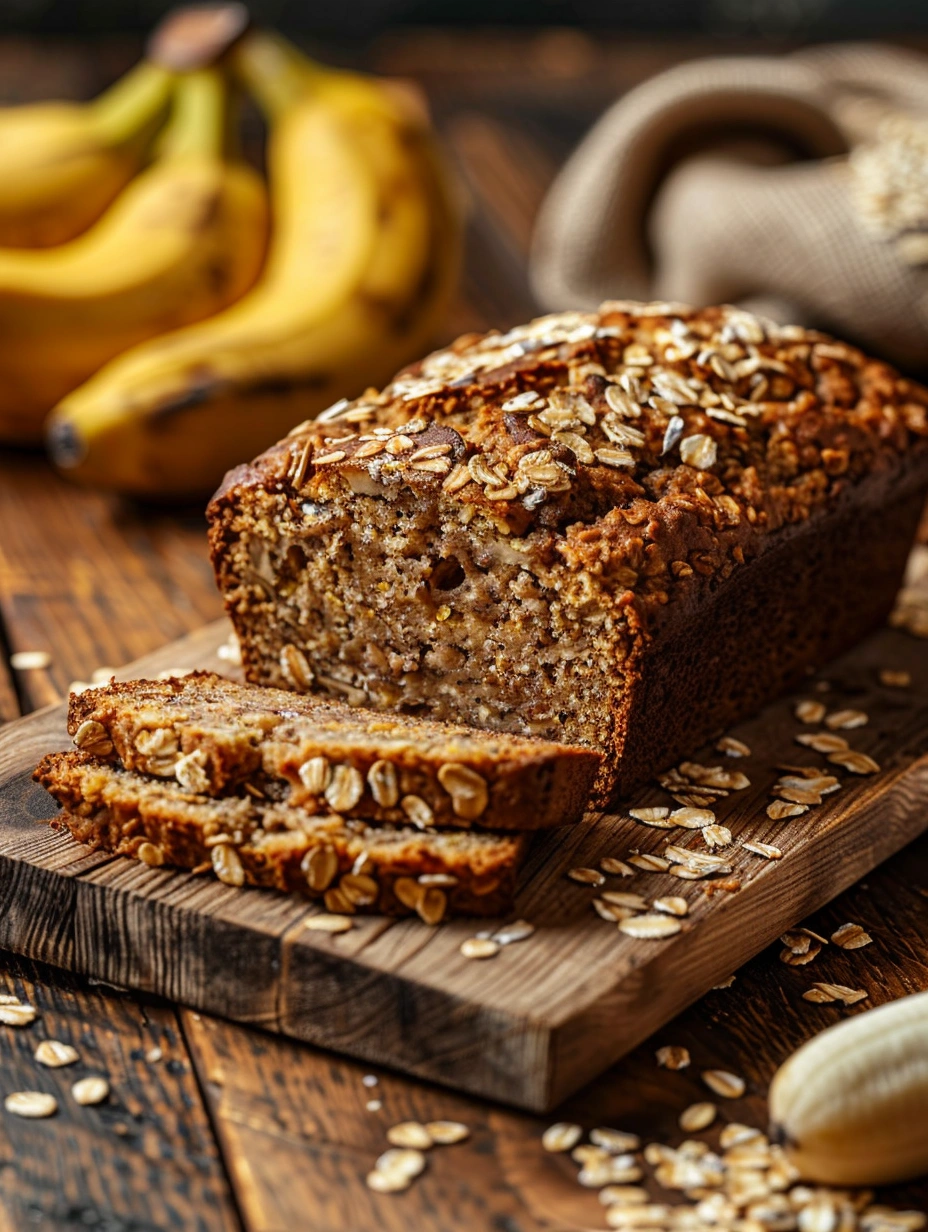
There’s something truly magical about the aroma of fresh banana bread wafting through the home. It instantly transports me back to my grandmother’s kitchen where Sunday mornings meant warm slices of banana bread with melted butter. Today, I’m sharing our family’s treasured Simple 5-Ingredient Oatmeal Banana Bread Recipe that has been passed down through generations. This recipe combines the wholesome goodness of oats with the natural sweetness of ripe bananas to create a comforting treat that brings families together. The beauty of this recipe lies in its simplicity – just five ingredients that transform into something extraordinary. Perfect for busy parents or weekend baking with the kids, this oatmeal banana bread creates memories as delicious as its flavor.
Table of Contents
Table of Contents
Ingredients
What makes this oatmeal banana bread so special is that it requires just five simple ingredients that most families already have in their pantry. Here’s what you’ll need:
- 3 large overripe bananas (the browner, the better!)
- 2 cups old-fashioned rolled oats
- 2 large eggs
- 1/3 cup pure maple syrup (or honey)
- 1 teaspoon baking soda
Optional add-ins (not counted in the 5 ingredients):
- 1 teaspoon vanilla extract
- 1 teaspoon ground cinnamon
- 1/4 teaspoon salt
- 1/2 cup chopped walnuts or pecans
- 1/2 cup chocolate chips
The beauty of this recipe lies in its simplicity. Each ingredient plays an essential role:
The overripe bananas provide natural sweetness and moisture. I remember my grandmother always keeping brown bananas on the counter specifically for banana bread, saying, “The spottier, the better!” She was right – those dark, soft bananas create the richest flavor.
The rolled oats form the foundation of this bread, replacing traditional flour and adding a wonderful texture and heartiness. My children love helping to measure the oats, sometimes sneaking a handful to munch on while we bake.
The eggs work as a binding agent, holding everything together and adding protein. I still smile thinking about how my youngest used to be so proud when we let her crack the eggs “all by herself.”
The maple syrup adds just enough additional sweetness without overwhelming the natural banana flavor. My grandfather always insisted on using maple syrup from trees on our family property, a tradition I try to honor when possible.
The baking soda helps the bread rise and develop that beautiful golden crust that makes banana bread so inviting.
Timing
One of the reasons this oatmeal banana bread has remained a staple in our family is its straightforward preparation. Here’s the timing breakdown:
- Prep time: 10 minutes
- Baking time: 40-45 minutes
- Cooling time: 15-20 minutes
- Total time: Approximately 1 hour and 15 minutes
This recipe fits perfectly into a weekend morning routine. I often prepare the batter while the coffee brews, and by the time everyone is up and about, the house is filled with that irresistible banana bread aroma. My mother used to say that no alarm clock worked better than the smell of banana bread in the oven, and after years of family breakfasts, I couldn’t agree more.
Step-by-Step Instructions
Follow these simple steps to create your own family memories with this beloved oatmeal banana bread:
- Preheat the oven to 350°F (175°C). Grease a 9×5-inch loaf pan with a little butter or line it with parchment paper. I prefer parchment paper with some overhang on the sides to make lifting the bread out easier – a trick my aunt taught me years ago.
- Process the oats into flour. Place the rolled oats in a blender or food processor and pulse until they reach a flour-like consistency. This usually takes about 30-45 seconds. My daughter loves watching the transformation from flaky oats to powdery flour.
- Mash the bananas in a large mixing bowl until smooth. I find a potato masher works wonderfully, but a fork does the job too. This step is always my son’s favorite part of the process.
- Add the remaining ingredients to the mashed bananas: processed oats, eggs, maple syrup, and baking soda. If using any optional ingredients like vanilla, cinnamon, or salt, add them now too.
- Mix everything together until well combined. The batter will be relatively thick but still pourable. Be careful not to overmix – just stir until you don’t see any dry ingredients.
- Fold in any add-ins like nuts or chocolate chips if using. My family has a longstanding debate about whether walnuts belong in banana bread – we usually compromise by putting them on just half the loaf.
- Pour the batter into the prepared loaf pan, smoothing the top with a spatula.
- Bake for 40-45 minutes, or until a toothpick inserted into the center comes out clean with just a few moist crumbs. The top should be golden brown and spring back slightly when touched.
- Cool in the pan for about 10 minutes before transferring to a wire rack to cool completely. Though in our house, it rarely makes it to “completely cooled” before slices start disappearing!
- Slice and serve warm or at room temperature. My grandmother always sliced her banana bread just a bit thicker than most, saying that “a proper slice of banana bread should fill your hand.”
The beautiful simplicity of this recipe makes it perfect for baking with children. Some of my most treasured memories involve sticky fingers and banana-smeared faces as we created this family favorite together.
Nutritional Information
This oatmeal banana bread isn’t just delicious – it’s also more nutritious than traditional versions thanks to the wholesome ingredients. Here’s an approximate nutritional breakdown per slice (assuming 12 slices per loaf):
- Calories: 150
- Total Fat: 2g
- Saturated Fat: 0.5g
- Cholesterol: 30mg
- Sodium: 95mg
- Total Carbohydrates: 28g
- Dietary Fiber: 3g
- Sugars: 12g (mostly from the bananas and maple syrup)
- Protein: 4g
Unlike traditional banana bread that’s often loaded with refined sugar and butter, this version relies on the natural sweetness of ripe bananas and just a touch of maple syrup. The oats provide complex carbohydrates, fiber, and protein, making this a more balanced treat that won’t cause the same sugar crashes as conventional recipes.
My mother always said that good food nourishes both body and soul, and this recipe certainly accomplishes both. It’s something I can feel good about sharing with my family, knowing it contains ingredients that provide actual nutritional benefits.
Healthier Alternatives
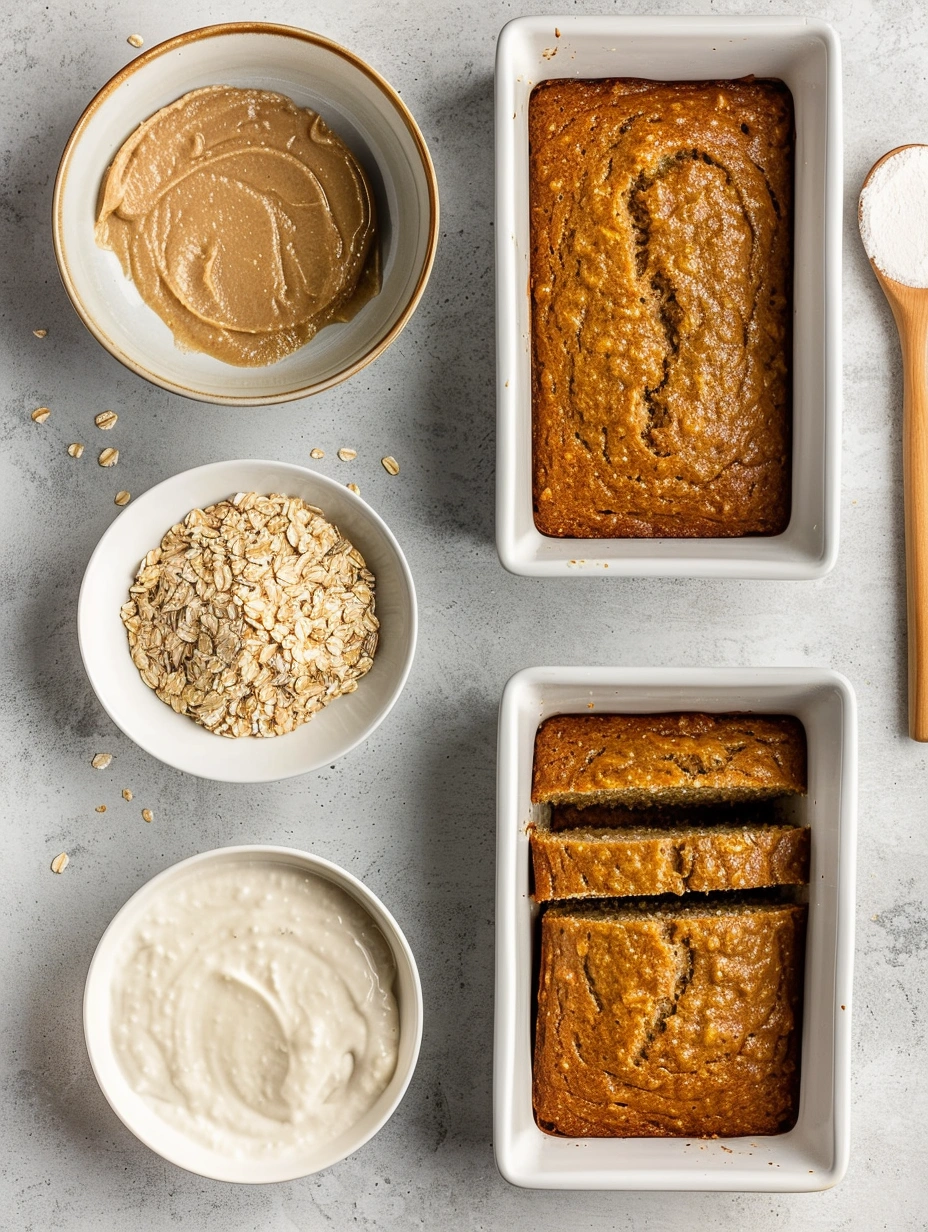
One of the beautiful aspects of this family recipe is how adaptable it is to dietary needs while still maintaining its comforting essence. Here are some healthier alternatives we’ve successfully tried over the years:
- Egg substitute: For a vegan version, replace each egg with a flax egg (1 tablespoon ground flaxseed mixed with 3 tablespoons water, allowed to gel for 5 minutes). My sister-in-law is vegan and swears this version is just as delicious.
- Sweetener options: The maple syrup can be replaced with honey, agave nectar, or even mashed dates if you prefer. My uncle who watches his sugar intake uses puréed dates and finds the bread perfectly sweet.
- Reduced sugar: If your bananas are very ripe, you can reduce the maple syrup to just 1/4 cup without sacrificing too much sweetness. My grandfather used to say, “Nature provides all the sweetness we need,” and with very ripe bananas, he was often right.
- Add protein: Stir in 1/4 cup of your favorite protein powder or 2 tablespoons of chia seeds for an extra protein boost. This makes the bread more filling and sustaining for busy mornings.
- Lower glycemic index: Use steel-cut oats instead of rolled oats for a lower glycemic impact. They’ll need to be processed a bit longer to reach a flour-like consistency.
My aunt who has diabetes adapted this recipe by reducing the maple syrup and adding unsweetened applesauce, proving that family recipes can evolve with our changing health needs while still connecting us to tradition.
Serving Suggestions
In our family, how you serve banana bread is almost as important as how you make it. Here are some beloved serving suggestions that have enhanced our enjoyment of this simple treat over the years:
- Classic style: Slightly warm with a thin spread of butter. My grandfather wouldn’t have it any other way, saying, “Some things don’t need improving.”
- Breakfast parfait: Crumble the bread and layer it with Greek yogurt and fresh berries for a nutritious breakfast. My daughter came up with this idea for her school mornings and it’s become a family favorite.
- Toasted with toppings: Lightly toast a slice and top with a smear of almond butter, sliced bananas, and a sprinkle of cinnamon. This was my mother’s preferred afternoon snack with tea.
- Ice cream companion: For special occasions, serve a warm slice with a small scoop of vanilla ice cream. The contrast of warm bread and cold ice cream creates a simple yet impressive dessert that my children request for birthdays.
- Lunchbox addition: A slice wrapped in parchment paper makes a perfect lunchbox treat that reminds children of home. My grandmother used to tuck slices into my mother’s school lunches with little notes drawn on the wrap.
- Afternoon tea: Serve with a hot cup of cinnamon tea for an afternoon pick-me-up. This combination became a cherished ritual when my aunt would visit on Sunday afternoons.
No matter how you serve it, this oatmeal banana bread brings people together. Some of our best family conversations have happened over slices of this bread and cups of coffee on lazy weekend mornings.
Common Mistakes
Even with a simple recipe like this, there are a few pitfalls that can affect your results. Here are some common mistakes to avoid, learned through our family’s years of banana bread making:
- Using bananas that aren’t ripe enough: The bananas should be very ripe – brown and spotty. Green or yellow bananas won’t provide enough sweetness or moisture. My grandmother would say, “If you wouldn’t be embarrassed to serve it as a fresh banana, it’s not ready for banana bread.”
- Not processing the oats finely enough: If the oats remain too coarse, the bread will have a grainy texture. Process them until they resemble flour for the best results.
- Overmixing the batter: Once the wet and dry ingredients come together, mix just until combined. Overmixing can make the bread dense. My mother taught me that “a few lumps show it’s made with love.”
- Opening the oven door too early: Resist the temptation to check on your bread in the first 30 minutes of baking. Opening the door can cause the center to collapse. My cousin learned this the hard way during a family baking session!
- Not allowing proper cooling time: While it’s tempting to slice into warm banana bread immediately, giving it at least 10-15 minutes in the pan helps it set properly. My father was always the most impatient, hovering near the oven as it cooled.
- Using a blender that’s not powerful enough: If your blender struggles with turning oats into flour, try processing smaller batches at a time to ensure an even texture.
These little tips have been passed down through generations in our family, each mistake teaching us something new about perfecting this simple recipe.
Storage Tips
Proper storage extends the life of your oatmeal banana bread and preserves its delicious flavor. Here are our family-tested methods:
- Counter storage: Keep the bread in an airtight container at room temperature for up to 3 days. My grandmother always used a special ceramic bread keeper that became a kitchen heirloom.
- Refrigeration: For longer freshness, store in the refrigerator for up to a week. Bring to room temperature before serving or lightly toast for the best flavor. My mother would wrap each slice individually for quick grabbing.
- Freezing: This bread freezes beautifully. Wrap individual slices in parchment paper, then in aluminum foil or place in freezer bags. They’ll keep for up to 3 months. My aunt taught me to label each package with the date – a habit I’ve maintained.
- Reheating: To enjoy frozen slices, thaw at room temperature for about an hour or microwave for 20-30 seconds. For a special touch, lightly toast after thawing.
- Preventing dryness: If you notice the bread starting to dry out, place a slice of apple in the container overnight – an old trick my great-grandmother used for all her baked goods.
In our family, we rarely have leftovers to store – this bread tends to disappear quickly! But on the occasions when we make a double batch, these storage methods have served us well through the years.
Conclusion
This simple 5-ingredient oatmeal banana bread represents so much more than just a recipe in our family. It’s a thread that connects generations, a vessel for memories, and a tradition that adapts while remaining fundamentally the same. From my grandmother’s hands to mine, and now to my children’s, this bread carries with it the love and care that goes into feeding a family.
What makes this recipe special isn’t fancy techniques or rare ingredients – it’s the opposite. Its beauty lies in its simplicity, in how basic pantry staples can transform into something nourishing that brings people together around the table. Every family needs recipes like this – ones that are forgiving, adaptable, and reliably delicious.
As you try this recipe in your own kitchen, I hope it brings you the same joy it has brought our family. Perhaps it will become part of your own family story, adapted to your tastes and preferences while maintaining its heartwarming essence. After all, the best family recipes aren’t set in stone – they evolve with each hand that makes them, while still connecting us to those who came before.
May your kitchen fill with the comforting aroma of banana bread, your home with the sounds of family gathering, and your heart with the satisfaction that comes from sharing simple, homemade goodness with those you love.
FAQs
Can I make this oatmeal banana bread gluten-free?
Yes! This recipe is naturally gluten-free if you use certified gluten-free oats. Oats themselves don’t contain gluten, but they can be processed in facilities that also process wheat products, so certification is important for those with celiac disease or severe gluten sensitivities. My cousin with celiac disease enjoys this recipe regularly with certified gluten-free oats.
How ripe should the bananas really be for the best result?
The riper, the better! Ideally, your bananas should be very spotty, mostly brown, and soft to the touch. These overripe bananas have more natural sugar and a stronger banana flavor that makes the bread sweeter and more flavorful. My grandmother would say they should be “ugly enough that you wouldn’t want to eat them fresh” – that’s when they’re perfect for banana bread.
Can I make this recipe into muffins instead of a loaf?
Absolutely! Pour the batter into a lined muffin tin, filling each cup about 3/4 full. Bake at the same temperature (350°F/175°C) but reduce the baking time to 18-22 minutes. This makes about 12 muffins. This variation became our go-to for school mornings when my children were younger – individually portioned and ready to grab on the way out the door.
Is there a way to make this recipe without eggs?
Yes, you can substitute the eggs with “flax eggs” (1 tablespoon ground flaxseed mixed with 3 tablespoons water for each egg) or use a commercial egg replacer. Another option is to use 1/4 cup of unsweetened applesauce per egg. The texture may be slightly different, but the bread will still be delicious. My niece who follows a vegan diet introduced us to the flax egg version, and it’s become a family favorite alternative.
Why do my oats sometimes clog my blender when processing them into flour?
This can happen if you’re trying to process too many oats at once or if your blender isn’t powerful enough. Try processing in smaller batches (about 1 cup at a time) and pulse rather than running the blender continuously. Also, make sure your blender is completely dry before adding the oats. My sister discovered that adding a tablespoon of the maple syrup with the oats can help them process more smoothly in some blenders.