


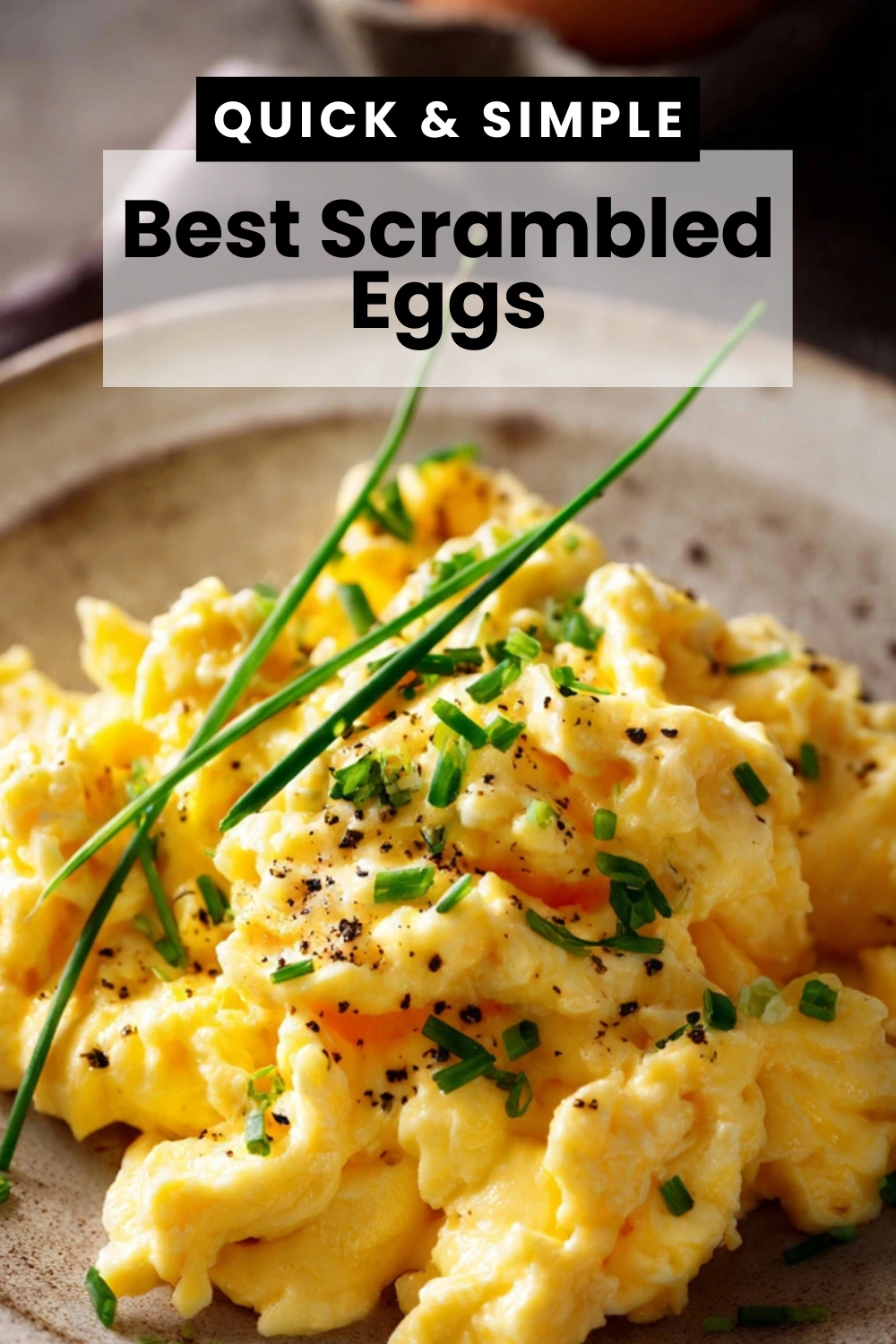
Nothing quite says “home” like a plate of perfectly fluffy, creamy best scrambled eggs on a lazy weekend morning. This simple dish, beloved by generations of families, holds a special place in our hearts and on our breakfast tables. While scrambled eggs might seem like the most basic of recipes, achieving that perfect consistency—soft, tender curds that melt in your mouth—is actually something of an art form that many home cooks struggle to master.
My grandmother always said that you could tell a good cook by their scrambled eggs, and there’s truth in that old wisdom. The perfect scrambled egg requires attention, patience, and a few family secrets passed down through kitchen conversations. Whether you’re cooking for sleepy children on a school morning or preparing a leisurely Sunday brunch for the whole family, mastering Best Scrambled Eggs will make you a breakfast hero.
Table of Contents
Table of Contents
Ingredients
The beauty of scrambled eggs lies in their simplicity. You don’t need fancy ingredients to create a memorable dish—just quality basics and proper technique:
- 6 large eggs (preferably free-range or organic for the richest flavor)
- 3 tablespoons whole milk or heavy cream
- 2 tablespoons unsalted butter
- ¼ teaspoon kosher salt
- Freshly ground black pepper to taste
- Optional: 1 tablespoon fresh chives or herbs, finely chopped
While the list is short, each ingredient plays a crucial role in developing those perfect scrambled eggs. The quality of your eggs matters tremendously—farm-fresh eggs with bright orange yolks will create a more flavorful and colorful final dish. In our family, we always tried to source eggs from local farmers when possible, and the difference was always noticeable around the breakfast table.
Timing
One of the most common mistakes people make when preparing scrambled eggs is rushing the process. The best scrambled eggs aren’t made in a hurry—they require attention and the right timing:
- Preparation time: 3-5 minutes
- Cooking time: 3-7 minutes (depending on your preferred consistency)
- Total time: 6-12 minutes
Remember that good scrambled eggs cook slowly over gentle heat. My mother always said, “You can’t rush eggs any more than you can rush a child learning to tie their shoes.” Those extra minutes of patience make all the difference between rubbery, overcooked eggs and the silky, tender scramble that becomes a family favorite.
Step-by-Step Instructions
1. Prepare your ingredients
Crack your eggs into a medium bowl. Add the milk or cream, salt, and pepper. The key here is not to beat the eggs too vigorously—my grandmother always used a fork rather than a whisk, gently breaking the yolks and incorporating the whites with just 10-15 strokes. Over-beating incorporates too much air and can make your eggs tough.
2. Heat your pan properly
Use a non-stick skillet or a well-seasoned cast iron pan. Heat it over medium-low heat—never high heat, which is the enemy of tender eggs. Add the butter and let it melt until it begins to foam but before it browns. This temperature control was my father’s contribution to our family recipe, and it makes all the difference.
3. Add the eggs
Pour your egg mixture into the pan. Let them sit undisturbed for about 15-20 seconds until the edges just begin to set. This brief moment of patience was something my aunt always insisted on—”Let the eggs introduce themselves to the pan,” she’d say.
4. The folding technique
Using a silicone spatula or wooden spoon, gently pull the eggs from the edges of the pan toward the center, creating large, soft folds. Don’t stir constantly—instead, pull and fold occasionally, allowing curds to form naturally. This creates those beautiful, pillowy curds that distinguish truly great scrambled eggs.
5. Know when to stop
The most important family secret: remove the eggs from the heat when they still look slightly underdone. They will continue cooking from residual heat. My grandmother always said, “If they look perfect in the pan, they’ll be overcooked on the plate.” This timing ensures your eggs remain moist and tender.
6. Finishing touches
If you’re adding herbs, sprinkle them on just before serving. A small pat of cold butter stirred in at the end creates an extra layer of creaminess that elevates your scrambled eggs to restaurant quality—a trick my uncle, who briefly worked as a breakfast chef, brought to our family table.
Nutritional Information
Scrambled eggs aren’t just delicious—they’re nutritious too! Here’s what a typical serving of our family’s best scrambled eggs (2 eggs per person) provides:
- Calories: Approximately 200-220 per serving
- Protein: 12-14g
- Fat: 16-18g (healthy fats from eggs and butter)
- Carbohydrates: 1-2g
- Vitamins: Rich in B vitamins, especially B12, plus vitamins A, D, and E
- Minerals: Good source of selenium, phosphorus, and iron
Eggs provide complete protein, containing all nine essential amino acids our bodies need. They also contain choline, important for brain health and development—something my mother always reminded us of when serving scrambled eggs before school exams!
Healthier Alternatives
While our traditional family recipe is delicious, there are ways to adapt it for various dietary needs without sacrificing that homemade taste:
- Lower fat option: Use 1 tablespoon of butter instead of 2, and substitute whole milk with 2% milk. You can also use 4 whole eggs and 4 egg whites to reduce fat while maintaining volume.
- Dairy-free alternative: Replace butter with olive oil or coconut oil, and use unsweetened almond milk or coconut milk instead of dairy. My cousin developed this version when her daughter developed a dairy sensitivity.
- Veggie-packed version: Fold in sautéed spinach, tomatoes, or mushrooms for added nutrition. My sister-in-law started this tradition when trying to get her kids to eat more vegetables—now it’s a family favorite!
- Herb boost: Add fresh herbs like parsley, dill, or basil not just for flavor but for their antioxidant properties. My herb-loving aunt taught us that “herbs aren’t decorations—they’re medicine!”
Remember that even with healthier adaptations, the cooking technique remains the same—low and slow for the best texture and flavor.
Serving Suggestions
In our family, scrambled eggs never appeared alone on the plate. Here are our favorite ways to serve them:
- Classic breakfast: Alongside buttered toast (sourdough was grandfather’s favorite), crispy bacon, and sliced fresh tomatoes.
- Breakfast burrito: Wrap scrambled eggs in a warm flour tortilla with avocado, black beans, and a touch of salsa—a weekend treat my children always requested.
- Savory oatmeal bowl: Serve scrambled eggs over a bed of steel-cut oats with a sprinkle of cheese and chives—a hearty breakfast my husband created during cold winter mornings.
- Open-faced sandwich: Place scrambled eggs on toasted artisan bread, topped with smoked salmon and fresh dill—our special holiday breakfast tradition.
- Breakfast bowl: Create a nourishing bowl with scrambled eggs, roasted sweet potatoes, avocado, and a sprinkle of everything bagel seasoning—my daughter’s modern contribution to our family recipes.
For special occasions, we serve scrambled eggs with a side of fresh fruit and mimosas, creating a celebratory atmosphere even for a simple breakfast.
Common Mistakes
Even in our family, where scrambled eggs are considered something of a specialty, we’ve made our share of mistakes over the years. Learn from our errors:
- Cooking on high heat: This is perhaps the most common mistake. High heat creates tough, dry eggs with a rubbery texture. Always use medium-low heat.
- Over-mixing: Beating eggs too vigorously breaks down their protein structure. Mix just until the whites and yolks are combined for the most tender result.
- Seasoning too early: Adding salt too far in advance can break down eggs and make them watery. My cousin learned this the hard way when preparing breakfast for the whole family!
- Stirring too much: Constant stirring creates tiny, uniform curds rather than the luscious, varied texture that makes great scrambled eggs. Fold occasionally, not constantly.
- Using a cold pan: Always preheat your pan before adding butter and eggs. A cold pan leads to sticking and uneven cooking.
- Overcooking: Remember to remove eggs from heat before they look completely done. The residual heat will finish the cooking process.
When my youngest daughter started learning to cook, these were the lessons we emphasized the most—the difference between good eggs and great eggs lies in avoiding these common pitfalls.
Storage Tips
While scrambled eggs are best enjoyed fresh from the pan, sometimes life requires make-ahead solutions. Here’s how we handle leftover or pre-prepared eggs in our busy family household:
- Short-term storage: If you need to hold scrambled eggs for 15-30 minutes (like when waiting for late family members to join breakfast), place them in a bowl over a pan of hot water and cover loosely with foil. This keeps them warm without continuing to cook them.
- Refrigerating: Properly cooled scrambled eggs can be stored in an airtight container in the refrigerator for up to 2 days. They won’t be quite as good as fresh, but they’re perfectly safe and convenient for quick breakfasts.
- Reheating: The microwave is not your friend here! To revive refrigerated scrambled eggs, place them in a covered skillet over very low heat with a teaspoon of butter or cream. Warm them gently, stirring occasionally.
- Freezing: While not ideal, scrambled eggs can be frozen. Cool them completely, then store in freezer bags with all air pressed out. Thaw overnight in the refrigerator and reheat gently with a splash of milk to restore moisture.
My mother-in-law taught me the value of batch-cooking scrambled eggs when hosting large family gatherings—a game-changer for feeding a crowd without being stuck at the stove while everyone else is enjoying their coffee.
Conclusion
The perfect scrambled eggs might seem simple, but they represent something much deeper—a connection to family traditions, a showcase for quality ingredients, and a canvas for creativity in the kitchen. In our family, learning to make scrambled eggs was almost a rite of passage, with techniques and tips passed down through generations.
FAQs
How can I tell when scrambled eggs are done without overcooking them?
The perfect scrambled eggs should look slightly wet and glossy in the pan, as they’ll continue cooking for about 30 seconds after being removed from heat. If they look completely dry in the pan, they’re likely overcooked. My grandmother’s rule was simple: when you think they need another 30 seconds, they’re done.
What’s the secret to making scrambled eggs fluffy?
For fluffy eggs, the key is adding a small amount of air while mixing, but not too much. Beat eggs with a fork just until combined, then cook them slowly over medium-low heat. Adding a tablespoon of milk or cream per two eggs helps create tenderness without making them too dense. In our family, we swear by letting the beaten eggs rest for 5 minutes before cooking to allow the proteins to relax.
Can I make scrambled eggs ahead of time for a large family gathering?
Yes! For family reunions, we often prepare scrambled eggs slightly underdone, then transfer them to a slow cooker on the “warm” setting. Add a few small pats of butter on top to keep them moist. They’ll hold well for up to an hour this way. Just give them a gentle stir occasionally. This method has saved many a family breakfast when relatives arrived at different times.
What’s the best pan for making scrambled eggs?
A non-stick skillet is ideal for beginners, but many experienced cooks in our family prefer a well-seasoned cast iron pan or a stainless steel pan with plenty of butter. The key is using a heavy-bottomed pan that distributes heat evenly. My father’s 12-inch cast iron skillet, passed down for three generations, is our family’s designated egg pan—seasoned to perfection through years of Sunday breakfasts.
Are there any special additions that can elevate basic scrambled eggs?
Beyond the basic recipe, our family has several signature additions that transform scrambled eggs into something special. Try adding a tablespoon of cream cheese for extra creaminess, a teaspoon of Dijon mustard for subtle tanginess, or a sprinkle of fresh herbs like chives, dill, or tarragon. For special occasions, a small amount of truffle oil or a sprinkle of good Parmesan cheese creates scrambled eggs worthy of any celebration breakfast.