

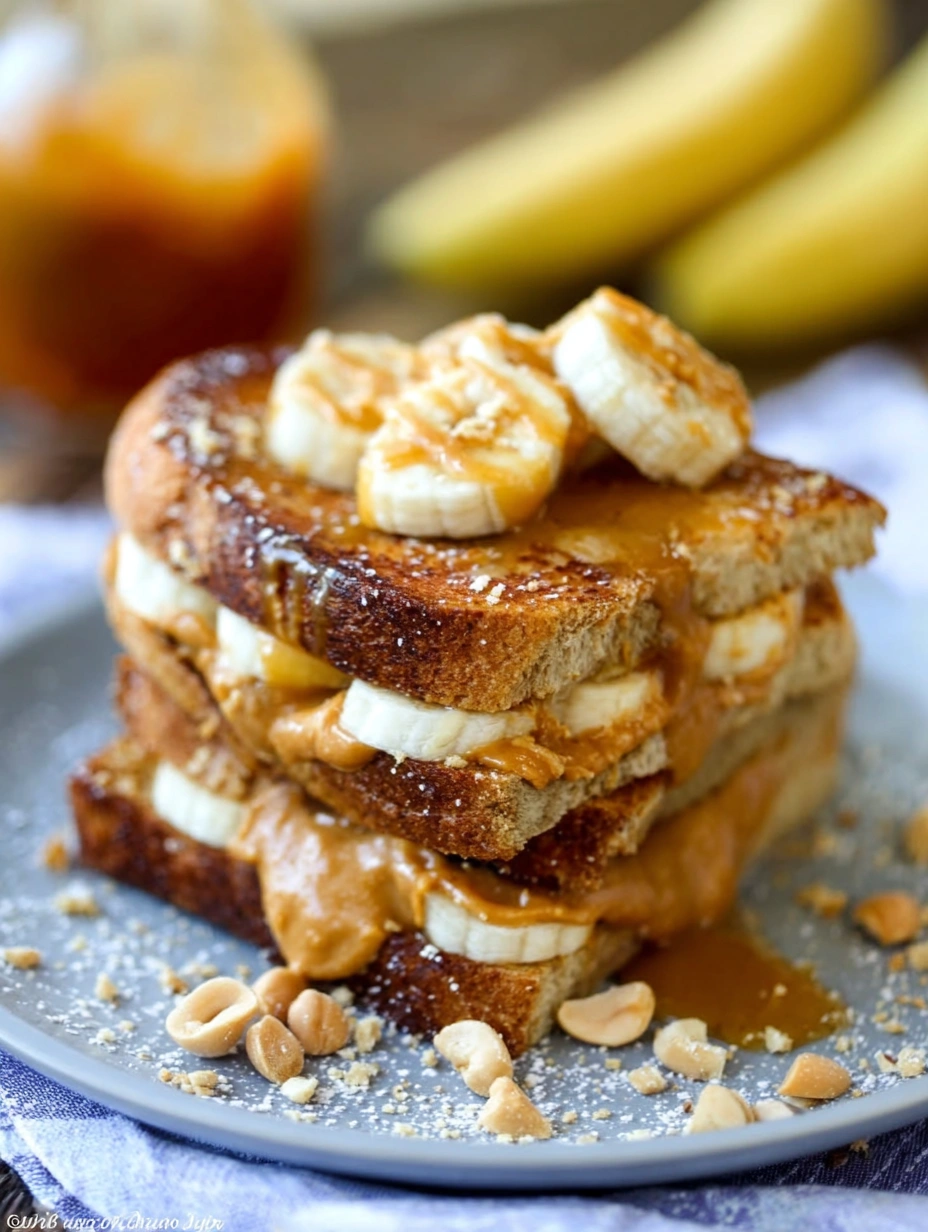
There’s something truly special about the simple pleasure of peanut butter banana toast that brings families together around the breakfast table. This timeless combination has been gracing our morning routines for generations, offering a perfect balance of creamy, sweet, and nutritious elements all in one delightful package. When I was growing up, my grandmother would make Peanut Butter Banana Toast on Sunday mornings, and that tradition has carried through to my own family today.
The beauty of this breakfast classic lies in its simplicity and versatility. With just a few wholesome ingredients, you can create a meal that satisfies hunger, provides lasting energy, and brings smiles to faces young and old. Whether you’re rushing out the door on a busy weekday or enjoying a leisurely weekend brunch, this nutritious toast combination delivers comfort in every bite.
Today, I’ll share our family’s treasured approach to this beloved breakfast, along with tips and variations that have evolved through years of morning gatherings around our kitchen table. This isn’t just toast—it’s a canvas for family memories and traditions that can be passed down through generations.
Table of Contents
Table of Contents
Ingredients
The beauty of peanut butter banana toast lies in its simplicity. You’ll need just a handful of quality ingredients to create this family favorite:
- 2 slices of your favorite bread (whole grain, sourdough, or white all work wonderfully)
- 2-3 tablespoons of peanut butter (creamy or crunchy, based on family preference)
- 1 ripe banana, sliced
- Optional toppings:
- A light drizzle of honey (about 1 teaspoon)
- A sprinkle of ground cinnamon (¼ teaspoon)
- A handful of chopped nuts (walnuts or almonds work beautifully)
- A few chocolate chips for special occasions
- A sprinkle of chia seeds or flaxseeds for added nutrition
What makes this simple breakfast truly special is selecting ingredients that resonate with your family’s preferences. In our home, we’ve always believed that the quality of bread makes a significant difference. A hearty whole grain offers wonderful texture, while a classic white bread brings nostalgic comfort. The peanut butter should be one your family enjoys—whether that’s an all-natural variety or a childhood favorite brand.
When it comes to bananas, patience pays off. Those perfectly ripe bananas with a few brown spots offer the ideal natural sweetness that complements the savory peanut butter beautifully. If your family enjoys exploring flavors, the optional toppings open up countless possibilities for customization.
Timing
One of the reasons peanut butter banana toast has remained a family staple through generations is its convenience. This breakfast can be prepared quickly while still delivering tremendous nutritional value and satisfaction.
Prep Time: 3-5 minutes
Cook Time: 2-3 minutes (toasting)
Total Time: 5-8 minutes
The beauty of this recipe is that it can be adapted to fit your morning schedule. On busy weekday mornings when every minute counts, you can streamline the process by pre-slicing bananas the night before (with a little lemon juice to prevent browning) or setting out the non-perishable ingredients before bed.
For leisurely weekend mornings, you might take a few extra minutes to toast the bread to golden perfection or arrange the banana slices in a pretty pattern that will delight younger family members. The flexibility of timing makes this a go-to recipe regardless of how your day is scheduled.
Step-by-Step Instructions
Creating the perfect peanut butter banana toast is simple, but small details can elevate this everyday breakfast into something truly special. Here’s how our family has made this dish for generations:
- Select and Toast Your Bread: Choose your family’s favorite bread and toast it to your desired level of crispness. In our home, we’ve found that a medium toast provides the perfect balance—crisp enough to support the toppings but not so crunchy that it shatters when you bite into it.
- Apply the Peanut Butter: While the toast is still warm (but not hot), spread a generous layer of peanut butter evenly over each slice. The warmth from the toast will slightly melt the peanut butter, creating a creamy layer that acts as the perfect adhesive for the banana slices. Allow about 1-1.5 tablespoons per slice for the ideal ratio.
- Prepare the Banana: Peel your ripe banana and slice it into rounds approximately ¼ inch thick. Diagonal slices create more surface area and a prettier presentation if you’re making this for a special breakfast. For younger children, you might cut the slices even thinner for easier eating.
- Arrange the Banana Slices: Place the banana slices on top of the peanut butter in a slightly overlapping pattern. This ensures every bite contains the perfect balance of flavors. My grandmother always taught us to “shingle” the banana slices like roof tiles for the most appealing presentation.
- Add Optional Enhancements: If desired, this is the moment to add your family’s favorite additional toppings:
- A light drizzle of honey creates wonderful sweetness that complements the banana
- A sprinkle of cinnamon adds warmth and a subtle spice note
- Chopped nuts provide delightful texture contrast
- For special occasions, a few chocolate chips can turn breakfast into a celebration
- Serve Immediately: Peanut butter banana toast is best enjoyed fresh, while the toast still maintains some warmth and before the bananas begin to soften too much.
Our family tradition includes setting the table with cloth napkins—even for a simple breakfast like this—to create a moment of togetherness before the day begins. It’s these small touches that transform a quick meal into a meaningful family ritual.
Nutritional Information
While peanut butter banana toast has been a comfort food staple for generations, it’s also wonderfully nutritious when made with quality ingredients. Here’s an approximate nutritional breakdown for one serving (one slice of toast with toppings):
- Calories: 250-300 (varies based on bread type and amount of peanut butter)
- Protein: 7-10g (making this an excellent breakfast protein source)
- Fat: 12-15g (primarily healthy monounsaturated fats from peanut butter)
- Carbohydrates: 30-35g
- Fiber: 4-6g (especially when using whole grain bread)
- Sugar: 9-12g (primarily from the natural sugars in banana)
- Potassium: Approximately 300mg (contributed mainly by the banana)
- Magnesium: About 50mg (from both peanut butter and banana)
What makes this breakfast particularly valuable for families is the combination of complex carbohydrates from the bread, protein and healthy fats from the peanut butter, and essential vitamins and minerals from the banana. This nutritional profile creates a breakfast that provides sustained energy—perfect for busy mornings whether you’re heading to school, work, or weekend activities.
The banana contributes potassium, vitamin B6, and vitamin C, while peanut butter adds protein, vitamin E, and niacin. When made with whole grain bread, you’re also getting additional fiber and B vitamins. This simple breakfast actually delivers a remarkably well-rounded nutritional package that has sustained generations of families.
Healthier Alternatives
While traditional peanut butter banana toast is already a nutritious option, our family has adapted this classic recipe over the years to accommodate various dietary preferences and health needs. Here are some wholesome variations that maintain the comforting essence of this family favorite:
- Bread Alternatives:
- Sprouted grain bread offers additional protein and nutrients
- Gluten-free bread made with whole grains works well for those with sensitivities
- Sourdough bread can be easier to digest for some family members
- Rice cakes or sweet potato “toast” create interesting grain-free bases
- Nut Butter Options:
- Almond butter provides a different nutritional profile with more vitamin E
- Sunflower seed butter makes an excellent alternative for nut-free households
- Natural peanut butter without added sugars or oils maximizes nutrition
- Reduced-fat peanut butter can lower the calorie content slightly
- Sweetener Adjustments:
- Replace honey with pure maple syrup for a different flavor profile
- Date syrup offers natural sweetness with additional minerals
- Omit added sweeteners entirely and rely on the natural sweetness of ripe bananas
- Nutritional Boosters:
- Add a sprinkle of ground flaxseed for omega-3 fatty acids
- Incorporate chia seeds for additional fiber and nutrients
- A dusting of wheat germ increases the vitamin E content
- Hemp hearts add plant protein and a subtle nutty flavor
In our home, we’ve found that creating a “topping bar” with various healthy additions allows family members to customize their toast while still maintaining the nutritional integrity of this breakfast staple. This approach has been particularly successful in encouraging younger family members to explore new flavors and textures while honoring the traditional roots of this beloved dish.
Serving Suggestions
While peanut butter banana toast stands beautifully on its own, our family traditions include several complementary elements that transform this simple breakfast into a more complete meal. These serving suggestions have evolved through generations of family breakfasts:
- Morning Beverage Pairings:
- A glass of cold milk creates a classic combination that children particularly enjoy
- Coffee with a splash of cream complements the nutty flavors for adults
- Warm tea with honey echoes the sweetness of the banana
- Fresh orange juice adds bright citrus notes that balance the richness of the peanut butter
- Side Accompaniments:
- A small bowl of Greek yogurt with berries adds protein and contrasting tartness
- Scrambled eggs provide additional protein for a more substantial breakfast
- A side of fresh seasonal fruit creates a colorful and nutritious plate
- A handful of granola offers additional texture and whole grains
- Presentation Ideas:
- Cut the toast into triangles or fingers for younger children
- Arrange banana slices in a pattern (circles, hearts, or faces) for special occasions
- Serve on colorful plates with cloth napkins for a more special feeling
- Create a “breakfast board” with the toast as the centerpiece, surrounded by fresh fruits and nuts
In our family, Sunday mornings often feature a special version of peanut butter banana toast served alongside a family-style fruit platter and a pot of hot coffee for the adults. Setting the table with small jars of additional toppings allows everyone to personalize their breakfast while still sharing in the same family tradition.
For generations, we’ve found that the simple act of sitting down together with this humble yet satisfying breakfast creates moments of connection that far outweigh the simplicity of the meal itself.
Common Mistakes
Even with a recipe as straightforward as peanut butter banana toast, there are several pitfalls that can prevent you from achieving the perfect balance of flavors and textures that have made this breakfast a family favorite for generations. Here are the most common mistakes we’ve encountered over years of making this dish, along with time-tested solutions:
- Using Bread That’s Too Soft or Too Thin: Flimsy bread can become soggy under the weight of toppings. Choose a sturdy bread with some substance, and toast it appropriately to create a solid foundation.
- Applying Peanut Butter When Toast Is Too Hot: When the toast is extremely hot, peanut butter becomes too runny and soaks into the bread rather than forming a creamy layer. Allow the toast to cool slightly (about 30 seconds) before spreading.
- Choosing Underripe or Overripe Bananas: Green bananas lack sweetness and have a chalky texture, while extremely overripe ones can be too mushy. The ideal banana should have a few small brown spots for the perfect sweetness and texture.
- Slicing Bananas Too Thick: Thick banana slices can make the toast difficult to bite and may overwhelm the other flavors. Aim for slices approximately ¼ inch thick for the ideal proportion.
- Uneven Distribution of Ingredients: Concentrating peanut butter in the center leaves the edges dry, while haphazardly placed banana slices create inconsistent bites. Spread peanut butter all the way to the edges and arrange banana slices with intentional overlapping.
- Adding Too Many Toppings: Overloading with additional ingredients can overwhelm the classic flavor combination and make the toast messy to eat. Exercise restraint with extra toppings—sometimes simple is best.
- Making It Too Far in Advance: Peanut butter banana toast is best enjoyed immediately after preparation. If made too far ahead, the moisture from the bananas can make the toast soggy, and the bananas may begin to brown.
Our grandmother was particularly adamant about the importance of banana selection. She taught us that the perfect banana for this toast should be “freckled but not spotted”—meaning it should have small brown speckles across the yellow peel but not large dark spots that indicate overripeness. This family wisdom has served us well through countless breakfast preparations.
Storage Tips
While peanut butter banana toast is undeniably best when freshly prepared, family life sometimes requires practical solutions for leftovers or advance preparation. Here are our family-tested storage recommendations and make-ahead strategies that have served us through busy mornings:
- Storing Assembled Toast:
- Ideally, consume peanut butter banana toast immediately after preparation
- If necessary, store assembled toast in an airtight container in the refrigerator for up to 2 hours
- Cover with a slightly damp paper towel to prevent excessive drying
- Accept that the texture will change somewhat—the toast will soften and the bananas may darken
- Component Storage:
- Keep bread in its original packaging or a bread box for optimal freshness
- Store natural peanut butter upside down in the pantry or refrigerator to prevent oil separation
- Extend the life of bananas by storing them away from other fruits (or hang them on a banana hook)
- Refrigerate bananas when they reach optimal ripeness to slow further ripening
- Make-Ahead Strategies:
- Pre-portion peanut butter into small containers for quick morning assembly
- Toast bread ahead of time and store at room temperature in a paper bag (up to 1 day)
- Slice bananas just before serving to prevent browning (or toss with a little lemon juice if preparing ahead)
- Create a morning “toast station” with all components ready for family members to assemble their own
- Freezing Options:
- Freeze extra ripe bananas (peeled and in an airtight container) for future use
- Freezing fully assembled toast is not recommended as the texture suffers significantly
- Consider freezing bread slices individually to toast as needed
In our family tradition, we’ve learned that a little advance preparation goes a long way toward making morning routines smoother. My mother would often set up a complete breakfast station before bed, with bread in the toaster (ready to press down), peanut butter with a clean knife beside it, and bananas at the perfect ripeness staged nearby. This simple organization made busy mornings much more manageable while still allowing us to enjoy this cherished family breakfast together.
Conclusion
Peanut butter banana toast may seem like a humble breakfast offering, but its enduring place in family traditions speaks to something much deeper than simple nutrition. Across generations, this uncomplicated combination of wholesome ingredients has nourished not just bodies but family connections and cherished memories.
What makes this simple breakfast so special is its accessibility to everyone—from the youngest family members just learning to help in the kitchen to grandparents passing down their particular method for arranging banana slices. The straightforward preparation invites participation, creating natural opportunities for sharing stories, building skills, and establishing rituals that define family identity.
In our home, peanut butter banana toast has been the backdrop for first-day-of-school jitters, weekend celebrations, and quiet moments of connection before busy days pull family members in different directions. The familiar comfort of this breakfast has provided stability through life’s changes—a consistent anchor that adapts to each generation while maintaining its essential character.
As you incorporate this classic breakfast into your own family rhythms, remember that the true value lies not just in its nutritional merits or convenience, but in the moments of togetherness it facilitates. Whether elaborately presented for special occasions or hastily assembled on busy mornings, peanut butter banana toast carries the potential to become more than a meal—it can become a cherished tradition that your family will pass down through generations.
So toast the bread, spread the peanut butter, arrange those banana slices, and gather around the table. In these simple actions, you’re not just preparing breakfast; you’re creating the fabric of family memories that will be treasured long after the last bite is enjoyed.
FAQs
What type of bread works best for peanut butter banana toast?
The ideal bread for peanut butter banana toast has some substance to support the toppings without becoming soggy. Whole grain breads offer nutritional benefits and hearty texture, while sourdough provides interesting flavor notes. White bread creates a more traditional, comfort-food experience that children often prefer. The most important factor is choosing a bread your family enjoys and toasting it appropriately—not too light (which can lead to sogginess) and not too dark (which can overwhelm the other flavors).
How can I prevent bananas from browning if I need to prepare this breakfast in advance?
If you need to slice bananas ahead of time, toss them gently with a small amount of lemon juice or pineapple juice, which contains citric acid that inhibits the enzymatic browning process. Use just enough to lightly coat the slices without imparting too much citrus flavor. Alternatively, slice the banana immediately before serving, or prepare everything else in advance and add the freshly sliced banana as the final step. For meal prep, consider storing sliced bananas in cold water with a squeeze of lemon juice, then draining and patting dry before using.
Is there a nut-free alternative that still provides similar flavor and nutrition?
Sunflower seed butter makes an excellent nut-free alternative that offers a comparable texture and nutritional profile to peanut butter. The flavor is slightly different—more earthy and less sweet—but pairs beautifully with bananas. Soy butter is another option that more closely mimics the flavor of peanut butter. For those avoiding both nuts and seeds, cream cheese with a touch of honey creates a different but delicious base that works well with banana slices. Each alternative creates a different flavor experience while maintaining the convenient and nutritious nature of the original.
How can I make this breakfast more substantial for growing teenagers or active family members?
For those with bigger appetites, there are several ways to make peanut butter banana toast more filling while maintaining its essential character. Consider making an open-faced sandwich with a second banana for double the fruit serving, or add a second slice of toast to create a traditional sandwich. Incorporating additional protein by adding a sprinkle of hemp seeds, chia seeds, or chopped nuts increases satiety. Serving alongside Greek yogurt or a hard-boiled egg creates a more complete meal. For a special weekend version, transform it into French toast by dipping the assembled sandwich into an egg mixture before lightly frying—a tradition our family calls “banana boat French toast.”
What’s the best way to introduce this breakfast to picky eaters in the family?
When introducing peanut butter banana toast to selective eaters, start with the most basic version using their preferred bread and a thin layer of peanut butter. Consider allowing them to mash the banana and spread it (rather than using slices) if texture is a concern. Involvement in preparation often increases willingness to try new foods, so invite reluctant eaters to help toast the bread or arrange banana slices in a fun pattern. For very hesitant eaters, start with just peanut butter toast with a tiny bit of banana on one corner, allowing them to gradually explore the combination. Patience and consistency are key—our family has found that what’s initially rejected may become a favorite with repeated gentle exposure without pressure.