
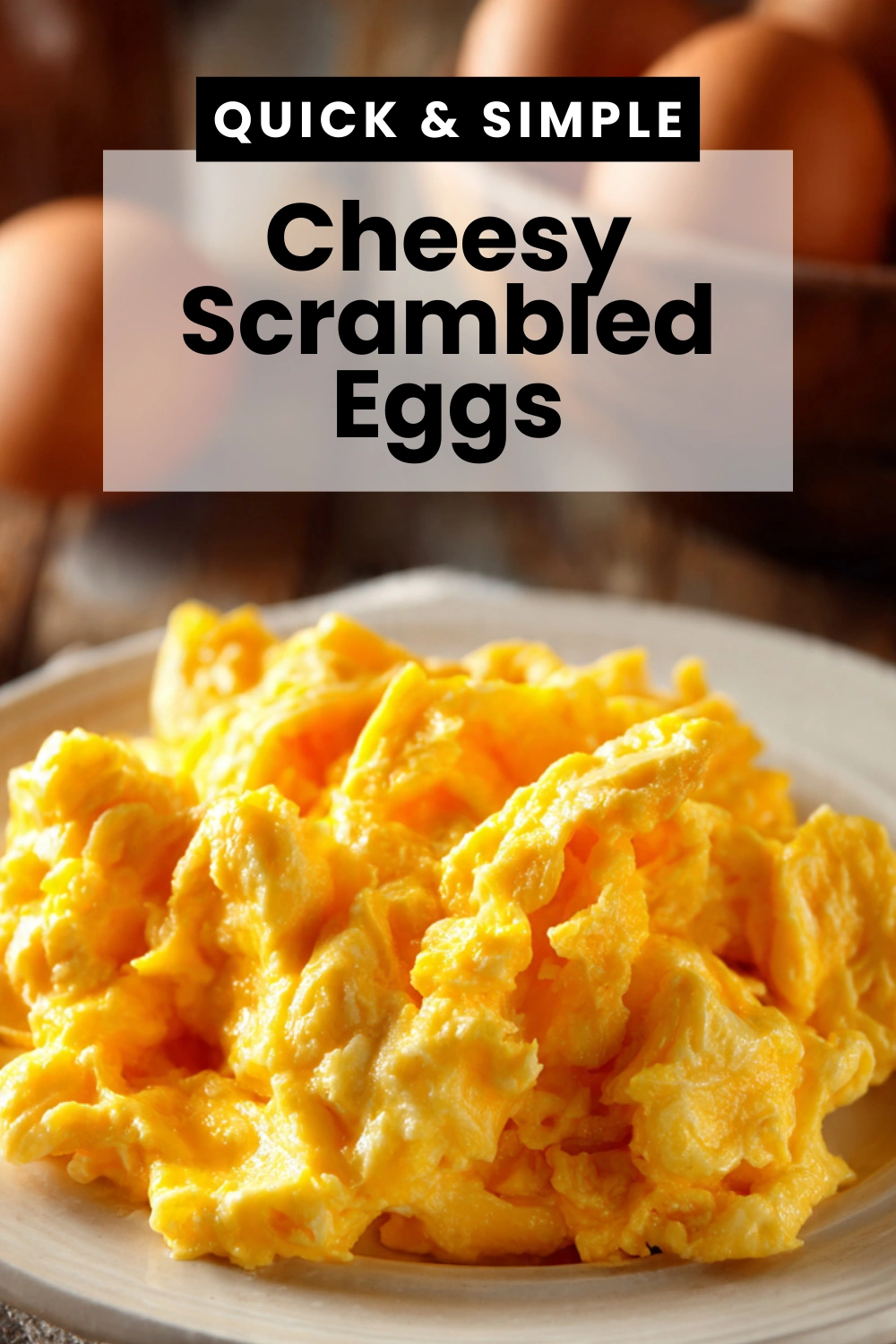
There’s something truly special about waking up to the rich aroma of Cheesy Scrambled Eggs sizzling in the pan. This classic breakfast dish has been a staple in family kitchens for generations, bringing comfort and nourishment to start the day right. When I was growing up, my grandmother would make her famous cheesy scrambled eggs every Sunday morning, and the whole family would gather around the table, sharing stories and creating memories that would last a lifetime.
Ingredients
The beauty of Cheesy Scrambled Eggs lies in their simplicity. Here’s what you’ll need to create this comforting breakfast classic for a family of four:
- 8 large eggs (preferably free-range for the best flavor)
- 1/4 cup whole milk (or half-and-half for extra creaminess)
- 1 cup shredded cheese (cheddar is traditional, but feel free to use your family’s favorite)
- 2 tablespoons butter
- 1/4 teaspoon salt (or to taste)
- 1/8 teaspoon freshly ground black pepper
- 1 tablespoon fresh chives, finely chopped (optional, for garnish)
These simple ingredients come together to create a dish that’s greater than the sum of its parts. The key to truly memorable cheesy scrambled eggs lies in using the freshest eggs possible and good quality cheese. My grandmother always said that when you’re making a simple dish with few ingredients, each one should be the best you can afford.
For variations that have become family favorites over the years, consider these optional add-ins:
- 1/4 cup diced bell peppers (any color)
- 1/4 cup diced onions or scallions
- 1/4 cup diced ham or crumbled bacon
- 1 small diced tomato, seeds removed
- 1/4 cup sautéed mushrooms
- 1 tablespoon fresh herbs like parsley, dill, or basil
Timing
One of the many reasons why Cheesy Scrambled Eggs have remained a family favorite is how quickly they come together. Even on busy mornings when everyone is rushing to get out the door, you can still provide a nutritious, satisfying breakfast.
Here’s a breakdown of the timing:
- Preparation time: 5 minutes
- Cooking time: 5-7 minutes
- Total time: 10-12 minutes
This timing makes cheesy scrambled eggs an ideal weekday breakfast option. I remember my mother somehow managing to get four children fed and ready for school, and these eggs were often her secret weapon. Even when time was tight, she’d whip up a batch of cheesy eggs that would keep us satisfied until lunchtime.
For weekend brunches when time is more plentiful, you might spend a bit longer on preparation by chopping additional ingredients or preparing complementary sides like toast, bacon, or fresh fruit. The eggs themselves, however, should still be cooked relatively quickly to maintain their creamy texture.
Step-by-Step Instructions
Creating perfect Cheesy Scrambled Eggs is all about technique. Follow these steps exactly as my grandmother taught me, and you’ll achieve that perfect balance of creamy, cheesy goodness every time:
- Prepare your ingredients: Crack the eggs into a medium bowl. Add the milk, salt, and pepper. Shred the cheese if not already shredded and set aside.
- Beat the eggs: Using a fork or whisk, beat the eggs until the whites and yolks are fully combined and the mixture is a uniform pale yellow color. Don’t overbeat—just until everything is incorporated.
- Heat the pan: Place a non-stick skillet or well-seasoned cast iron pan over medium-low heat. This is crucial—too high heat will cook the eggs too quickly and make them tough.
- Add the butter: Once the pan is warm (but not hot), add the butter and let it melt completely, swirling to coat the bottom of the pan.
- Pour in the eggs: Pour the egg mixture into the pan. Let it sit undisturbed for about 30 seconds until the edges just begin to set.
- Begin the scrambling technique: Using a silicone spatula or wooden spoon, gently pull the eggs from the edges toward the center of the pan, creating large, soft curds. My grandmother always said the key to creamy eggs is patience—don’t rush this process.
- Continue cooking: Keep gently folding and stirring the eggs. They should be cooking slowly, forming soft, moist curds. This process should take about 3-4 minutes.
- Add the cheese: When the eggs are about 80% set but still look slightly wet, sprinkle the shredded cheese over the top and gently fold it in. The residual heat will melt the cheese and finish cooking the eggs.
- Remove from heat: As soon as the cheese is mostly melted and the eggs are just set (but still look moist), remove the pan from the heat. The eggs will continue cooking a bit from residual heat.
- Serve immediately: Transfer to warmed plates and garnish with fresh chives if using. Serve with toast, breakfast potatoes, or fresh fruit for a complete family breakfast.
The most important thing my grandmother taught me about making scrambled eggs is to trust your instincts. The eggs should be removed from the heat when they still look slightly underdone because they’ll continue cooking for a moment. If you wait until they look completely done in the pan, they’ll be overcooked on the plate.
Nutritional Information
Understanding the nutritional value of what we feed our families is important. Here’s the approximate nutritional breakdown for one serving of Cheesy Scrambled Eggs (based on a four-person serving with the basic recipe):
- Calories: 285
- Protein: 19g
- Carbohydrates: 2g
- Fat: 22g
- Saturated Fat: 11g
- Cholesterol: 385mg
- Sodium: 430mg
- Calcium: 250mg
- Vitamin D: 2μg
- Iron: 2mg
Eggs have long been recognized as a nutritional powerhouse for growing families. They provide high-quality protein with all nine essential amino acids, making them a complete protein source. The yolks are rich in vitamins A, D, E, and K, as well as various B vitamins, especially B12 and folate, which are important for brain development and function.
The cheese adds additional protein and calcium, important for growing bones. While the fat content might seem high, remember that these are healthy fats that help with the absorption of fat-soluble vitamins and provide sustained energy throughout the morning.
My grandmother always said that eggs were “brain food,” and modern nutrition science agrees—eggs contain choline, which supports brain health and development, making them an excellent choice for children and adults alike.
Healthier Alternatives
While the traditional Cheesy Scrambled Eggs recipe has nourished our family for generations, there are ways to adapt it for various dietary needs without sacrificing the comfort and flavor that makes this dish so special:
- Lower fat version: Use 4 whole eggs and 4 egg whites instead of 8 whole eggs. Opt for reduced-fat cheese and replace the butter with a tablespoon of olive oil or a quick spritz of cooking spray.
- Dairy-free adaptation: Substitute the milk with unsweetened almond milk or another plant-based milk. Use dairy-free cheese alternatives, which have improved tremendously in recent years. Replace butter with olive oil or a plant-based butter alternative.
- Lower sodium option: Omit the added salt and use a low-sodium cheese variety. Enhance flavor with herbs and spices instead.
- Vegetable boost: Increase the nutritional value by folding in 1-2 cups of sautéed vegetables like spinach, kale, mushrooms, tomatoes, or bell peppers. This was my mother’s favorite way to sneak extra vegetables into our breakfast.
- Protein alternatives: If you’re looking to reduce animal protein, you can make a hybrid scramble with crumbled firm tofu mixed with the eggs, reducing the egg quantity by half.
My aunt, who always focused on healthy eating, would make what she called “green eggs” (no ham!)—adding a handful of finely chopped spinach and a sprinkle of feta instead of cheddar. The kids would gobble it up, especially when she told them it was what superheroes ate for breakfast.
Remember that even with healthier substitutions, the cooking technique remains crucial. Low, slow heat and gentle handling will ensure your eggs remain creamy and delicious, regardless of the ingredients you choose.
Serving Suggestions
In our family, Cheesy Scrambled Eggs were never served alone—they were always the centerpiece of a meal that brought everyone together. Here are some beloved serving suggestions that have stood the test of time:
- Traditional accompaniments: Serve with buttered toast, English muffins, or warm biscuits. A side of crispy bacon or sausage links completes the classic family breakfast.
- Breakfast sandwich: Spoon the cheesy eggs onto a toasted bagel, English muffin, or between two slices of bread for an on-the-go option that my children always loved on busy mornings.
- Breakfast burrito: Wrap the eggs in a warm tortilla with some black beans, avocado slices, and a spoonful of salsa for a Southwestern twist that became popular at our weekend brunches.
- Hash complement: Serve alongside golden hash browns or home fries for a hearty breakfast that my father-in-law would make whenever we visited.
- Fresh fruit balance: A side of fresh seasonal fruit provides a refreshing contrast to the rich eggs. My grandmother always had a bowl of whatever was in season—berries in summer, oranges in winter.
- Breakfast bowl: Create a nourishing bowl with the eggs as the protein center, surrounded by roasted sweet potatoes, avocado slices, and a sprinkle of hemp seeds or microgreens.
- Tomato accent: Serve with roasted or broiled tomato halves for a touch of acidity that balances the richness of the eggs, a trick my aunt taught me.
For special family gatherings or holiday mornings, we would set up a “breakfast bar” where everyone could customize their plate. The cheesy scrambled eggs would be the centerpiece, surrounded by various toppings and sides—everything from salsa and hot sauce to diced ham and herbs. This interactive approach always created a festive atmosphere and accommodated everyone’s preferences.
I’ve found over the years that how you serve a meal is almost as important as what you serve. Using our “good” plates on ordinary mornings sometimes, or setting the table with a small vase of flowers, elevates a simple breakfast into a moment of family connection.
Common Mistakes
Even a dish as seemingly simple as Cheesy Scrambled Eggs can go awry if certain pitfalls aren’t avoided. Here are the most common mistakes I’ve observed over years of teaching this recipe to children, grandchildren, and friends:
- Using high heat: Perhaps the most common mistake is cooking scrambled eggs over high heat. This causes them to cook too quickly, becoming dry and rubbery. Always use medium-low heat for creamy, tender eggs.
- Overmixing before cooking: Beating the eggs too vigorously incorporates too much air, which can make them tough. A gentle mixing just until combined is all that’s needed.
- Adding cheese too early: When cheese is added too soon, it can overcook and become stringy or oily. Wait until the eggs are mostly set before incorporating the cheese.
- Overcooking: Many people cook scrambled eggs until they’re completely dry. Remember my grandmother’s wisdom—remove them from the heat when they still look slightly wet, as they’ll continue cooking from residual heat.
- Using cold eggs: Eggs straight from the refrigerator won’t cook as evenly. If you have time, let them sit at room temperature for about 15 minutes before cooking.
- Neglecting to pre-shred cheese: Having your cheese shredded before you start cooking ensures you can add it at just the right moment. I’ve seen many people scrambling to grate cheese while their eggs overcook.
- Using the wrong pan: A heavy-bottomed non-stick pan or well-seasoned cast iron skillet works best. Thin pans create hot spots that cook eggs unevenly.
- Salting too early: Adding salt too far in advance can break down the eggs and make them watery. Add salt just before cooking for the best texture.
- Constant stirring: Contrary to what many think, constantly stirring the eggs doesn’t produce the best results. Let them set slightly before gently folding them.
I’ll never forget the time my youngest tried to make breakfast in bed for my birthday. The kitchen was a disaster, and the eggs were thoroughly overcooked, but his proud smile made them the best eggs I’d ever tasted. Sometimes the love that goes into a meal matters more than technical perfection.
Storage Tips
While Cheesy Scrambled Eggs are always best enjoyed fresh from the pan, family life sometimes requires make-ahead solutions. Here’s how to store and reheat them if necessary, preserving as much of their original texture and flavor as possible:
- Refrigerating: If you have leftover scrambled eggs, cool them quickly and store in an airtight container in the refrigerator for up to 2 days. My tip is to slightly undercook them initially if you know you’ll be storing them.
- Reheating: To reheat, place the eggs in a microwave-safe dish and cover with a damp paper towel. Heat in 20-second intervals at 50% power, gently stirring between intervals. This gentle approach prevents them from becoming rubbery. Alternatively, reheat in a skillet over low heat with a small pat of butter.
- Freezing: While not ideal, scrambled eggs can be frozen in a pinch. Cool completely, then place in a freezer-safe bag with as much air removed as possible. Freeze for up to one month. My mother would do this occasionally when preparing for busy times.
- Thawing: Thaw frozen eggs overnight in the refrigerator before reheating using the gentle methods described above. Add a small splash of milk during reheating to help restore moisture.
- Make-ahead components: For meal prep, you can shred cheese and chop any add-ins in advance, storing them separately in the refrigerator. This makes morning assembly much quicker.
- Breakfast burrito solution: One of my favorite family hacks is to wrap leftover cheesy scrambled eggs in tortillas to make breakfast burritos. These freeze exceptionally well and can be microwaved straight from frozen for a quick breakfast.
My grandmother always reminded us that food should never go to waste. She would transform leftover scrambled eggs into a quick lunchtime egg salad sandwich by chopping them up and mixing with a bit of mayonnaise, mustard, and diced celery. The family never suspected they were eating leftovers!
Conclusion
Cheesy Scrambled Eggs are more than just a simple breakfast dish—they’re a canvas for family traditions and a vehicle for nourishment that spans generations. From my grandmother’s careful technique of low, slow cooking to my mother’s clever vegetable additions and my own variations created for my children, this humble dish has evolved while remaining rooted in the comfort of familiar flavors.
FAQs
What’s the secret to making scrambled eggs extra creamy?
The true secret to creamy scrambled eggs is threefold: low heat, patience, and timing. Cook them slowly over medium-low heat, gently folding rather than vigorously stirring, and remove them from the heat while they still look slightly wet. For extra creaminess, you can substitute half-and-half for milk or add a tablespoon of cream cheese to the mixture. My grandmother occasionally added a teaspoon of sour cream just before the eggs were done for special occasions.
Can I make Cheesy Scrambled Eggs for a large family gathering?
Yes, this recipe scales up beautifully for larger gatherings. For feeding a crowd, I recommend cooking in batches rather than trying to cook too many eggs at once, which can lead to uneven cooking. You can keep the first batches warm in an oven set to the lowest temperature (around 170°F/75°C) for up to 20 minutes. Place the finished eggs in a ceramic dish covered with foil. When hosting our extended family reunions, I often set up an egg station where I cook fresh batches as people come through the line.