
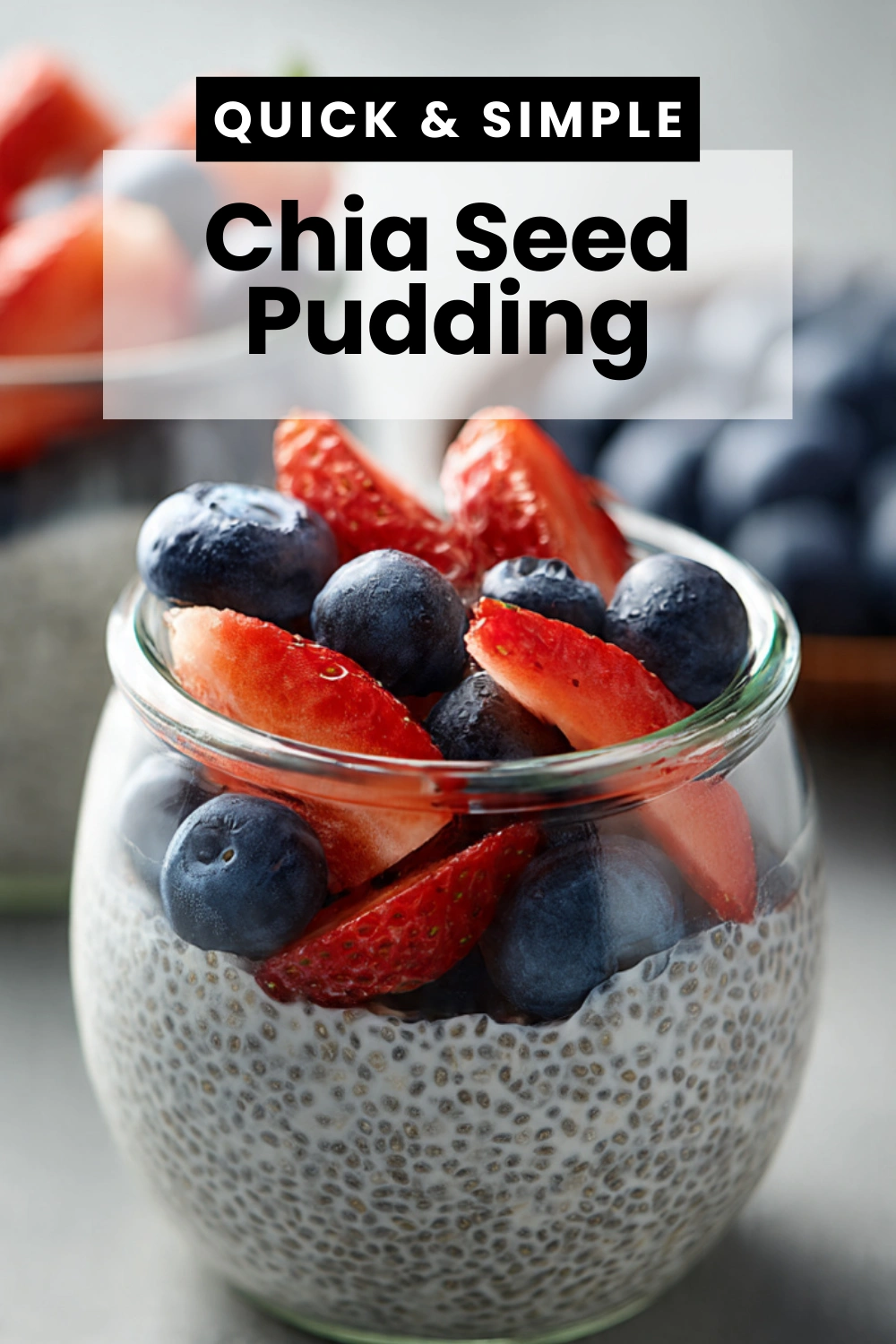
Remember those busy mornings when you’re trying to get everyone fed and out the door? That’s when Chia Seed Pudding becomes a true family lifesaver. This simple yet nutritious breakfast has become a staple in our home, bringing smiles to sleepy faces and providing lasting energy throughout the day. What makes chia seed pudding so special isn’t just its delightful taste and creamy texture – it’s the memories created around the breakfast table as little ones customize their bowls with colorful toppings.
My grandmother always said that breakfast sets the tone for the day, and I’ve found this to be absolutely true when it comes to serving Chia Seed Pudding to my family. The best part? You can prepare it the night before, making hectic mornings just a little bit calmer. This traditional preparation method has been passed down and perfected in our family kitchen, with each generation adding their own special touch.
Ingredients
For our family’s basic chia seed pudding (serves 4):
- 4 tablespoons chia seeds
- 1 cup milk (dairy or plant-based like almond, coconut, or oat milk)
- 1-2 tablespoons maple syrup or honey (adjust to taste)
- 1/2 teaspoon vanilla extract
- Pinch of salt
For family-friendly toppings:
- Fresh berries (strawberries, blueberries, raspberries)
- Sliced bananas
- Chopped nuts (almonds, walnuts, pecans)
- Shredded coconut
- A drizzle of honey or maple syrup
- Cinnamon or cocoa powder
- Granola for added crunch
For flavor variations (choose one):
- Chocolate: 1 tablespoon unsweetened cocoa powder
- Berry: 1/4 cup pureed berries
- Peanut butter: 1 tablespoon natural peanut butter
- Pumpkin spice: 2 tablespoons pumpkin puree + 1/4 teaspoon pumpkin pie spice
- Tropical: Use coconut milk and add 2 tablespoons crushed pineapple
Timing
One of the things our family appreciates most about chia seed pudding is how it fits perfectly into our busy schedule:
- Prep time: 5 minutes
- Setting time: Minimum 2 hours, but best overnight (8-12 hours)
- Total time: 2 hours and 5 minutes (minimum)
This timing makes it perfect for preparing right before bed. My children love helping mix the ingredients, knowing they’ll wake up to a special breakfast ready to be customized with their favorite toppings. It’s become our Wednesday and weekend morning tradition – a special moment where everyone gathers around the breakfast table before heading off to their various activities.
Step-by-Step Instructions
Step 1: Mix the base ingredients
In a medium bowl, combine the chia seeds, milk, sweetener of choice, vanilla extract, and a tiny pinch of salt. This is where little hands can help stir – my 5-year-old loves watching how the mixture begins to thicken even as we’re stirring. The pinch of salt might seem unusual, but it’s a trick my grandmother taught me to enhance the natural sweetness without adding extra sugar.
Step 2: Let it sit initially
After the initial mix, let the pudding sit for about 10 minutes, then stir again to break up any clumps. This step is crucial for achieving that perfect pudding consistency that my teenager is particularly fussy about. If you skip this step, you might end up with some dry clumps of chia seeds.
Step 3: Cover and refrigerate
Cover your bowl or transfer the mixture to individual mason jars or containers. This is where the magic happens! Place in the refrigerator for at least 2 hours, but preferably overnight. The longer it sits, the more pudding-like the consistency becomes, which is exactly what we want for those perfect breakfast moments.
Step 4: Check consistency
When you’re ready to serve, check the consistency. If it’s too thick, add a splash of milk and stir well. If it’s too thin (which rarely happens), add a few more chia seeds, stir, and let sit for another 30 minutes. This adaptability makes it perfect for adjusting to each family member’s texture preferences.
Step 5: Serve with toppings
The most exciting part of our family chia pudding breakfast is the topping bar! Set out a variety of toppings and let everyone customize their own bowls. My daughter loves creating patterns with berries, while my son piles on the granola for extra crunch. It’s these little moments of creativity that make breakfast time special.
Nutritional Information
As parents, we’re always looking for nutritious options that our family will actually eat. Chia seed pudding ticks all those boxes. Here’s what one serving of our basic recipe provides:
- Calories: Approximately 150-200 calories (varies with milk choice and sweetener amount)
- Protein: 5-7g
- Fiber: 10g
- Healthy fats: 9g (including omega-3 fatty acids)
- Calcium: 15% of daily needs
- Iron: 15% of daily needs
What I love most about serving chia seed pudding to my family is how it provides sustained energy throughout the morning. The combination of fiber, protein, and healthy fats helps keep blood sugar levels stable – no more mid-morning hunger crashes before lunch! My grandmother would be amazed at how this simple food provides so many nutrients that growing bodies need.
Healthier Alternatives
Our family has experimented with various healthier adaptations of this recipe over the years:
- Lower sugar: Use mashed banana or unsweetened applesauce instead of honey/maple syrup
- Higher protein: Add 2 tablespoons of Greek yogurt or a scoop of unflavored protein powder
- Dairy-free: Use any plant-based milk – my children particularly enjoy the creaminess of oat milk
- Extra fiber: Mix in 1 tablespoon of ground flaxseed
- Reduced fat: Use skim milk or almond milk with lower fat content
For family members with dietary restrictions, chia seed pudding is wonderfully adaptable. My nephew has a dairy allergy, and he loves the coconut milk version. My mother-in-law watches her sugar intake, so we make hers with stevia and cinnamon. The versatility makes it perfect for gatherings where multiple dietary needs must be met.
Serving Suggestions
In our home, chia seed pudding isn’t just for breakfast. Here’s how we enjoy it throughout the day:
- Breakfast parfait: Layer the pudding with Greek yogurt and fresh fruit in clear glasses for a beautiful morning treat. The children love seeing the colorful layers!
- Lunch box treat: Pack small containers of chia pudding for school lunches – they stay cold in insulated lunch bags and provide a nutritious dessert alternative
- After-school snack: Top with a few dark chocolate chips and berries for a satisfying snack that feels like a treat but provides steady energy for homework time
- Dessert: For a healthier dessert option, we serve chocolate chia pudding topped with a dollop of whipped coconut cream and a sprinkle of cacao nibs
- Weekend brunch: Create a chia pudding bar with multiple toppings when grandparents visit – everyone enjoys customizing their own bowls
One of our favorite family traditions is our “Sundae Sunday” breakfast, where we serve chia pudding with a selection of toppings arranged like an ice cream sundae bar. Even the pickiest eaters get excited about building their own creations!
Common Mistakes
Through years of making chia pudding for my family, I’ve learned to avoid these common pitfalls:
- Not stirring enough: Failing to break up clumps can leave you with a texture that children especially find unpleasant. Stir well initially, then again after 10 minutes.
- Wrong liquid-to-seed ratio: Too few seeds and your pudding will never set; too many and it becomes overly thick and paste-like. Stick to our 4:1 ratio (liquid to seeds).
- Impatience: Trying to serve chia pudding before it’s fully set leads to disappointment. Allow at least 2 hours, preferably overnight.
- Over-sweetening: Adding too much sweetener overwhelms the natural flavors and turns a healthy breakfast into a sugar bomb. Start with less sweetener – you can always add more when serving.
- Forgetting the pinch of salt: This small addition makes all the flavors pop without making the pudding taste salty.
- Using seeds past their prime: Old chia seeds won’t gel properly. Store them in an airtight container in a cool place and check for freshness.
The biggest mistake I made when first introducing chia pudding to my family was not involving them in the preparation. Once I let them help mix and choose their own toppings, acceptance and enthusiasm skyrocketed!
Storage Tips
Managing busy family life means making the most of meal prep. Here’s how we handle chia pudding storage:
- Refrigerator storage: Chia pudding keeps well in the refrigerator for up to 5 days. We prepare a big batch on Sunday for weekday breakfasts.
- Individual containers: We portion into single-serve jars for grab-and-go breakfasts – each family member has their own labeled jar.
- Topping strategy: Store toppings separately and add just before eating to maintain their freshness and texture.
- Freezer option: For longer storage, chia pudding can be frozen for up to 3 months. Thaw overnight in the refrigerator for a quick breakfast option.
- Portion size: For children, use smaller containers so nothing goes to waste.
Our family’s Sunday night ritual includes preparing chia pudding together, with each person customizing their base flavor. These moments of working together in the kitchen create bonds and teach important food preparation skills to the younger generation.
Conclusion
Chia seed pudding has become more than just a breakfast in our home – it’s a family tradition that brings us together at the table. From my grandmother’s earliest versions to the adaptations we enjoy today, this simple dish carries the warmth of family memories while nourishing bodies of all ages. The joy on my children’s faces as they proudly display their colorful creations makes every preparation worthwhile.
FAQs
Can I make chia seed pudding without dairy?
Absolutely! Our family regularly uses plant-based alternatives like almond milk, oat milk, or coconut milk with excellent results. Each milk alternative gives a slightly different flavor profile – coconut milk creates a tropical taste, while oat milk provides extra creaminess that children tend to prefer. Just maintain the same 4:1 ratio of liquid to chia seeds for perfect consistency.
My child doesn’t like the texture of chia seeds. What can I do?
This is a common challenge in families! Try blending the fully set chia pudding until smooth for a texture similar to traditional pudding. Another approach is to grind the dry chia seeds before adding liquid, which creates a smoother final product. Start with small portions and let them customize with favorite toppings to increase acceptance. Patience and repeated exposure often leads to acquired taste!
How can I increase the protein content for growing children?
We boost the protein in our family’s chia pudding by adding 2-3 tablespoons of Greek yogurt per serving, mixing in a scoop of unflavored or vanilla protein powder, or stirring in 1-2 tablespoons of nut butter. For school athletes, we sometimes add an extra boost with a sprinkle of hemp seeds on top, which adds protein without changing the flavor significantly.
Is chia seed pudding suitable for babies and toddlers?
For babies under one year, avoid honey as a sweetener due to botulism risk. For older babies and toddlers (12+ months), chia pudding can be introduced gradually, starting with a well-blended version to prevent any choking hazard. Our pediatrician recommended waiting until 18 months before offering the traditional texture with whole seeds. Always consult your child’s doctor regarding new foods, especially if there’s a family history of allergies.
Can I pack chia seed pudding in my child’s lunch box?
Yes! This is one of our family’s favorite lunch box additions. Prepare individual portions in small containers with tight-fitting lids. Use an ice pack to keep it cold, and pack toppings separately in a small container or silicone cupcake liner to add just before eating. Our children love finding this special treat in their lunch boxes, especially on test days when they need sustained energy!