
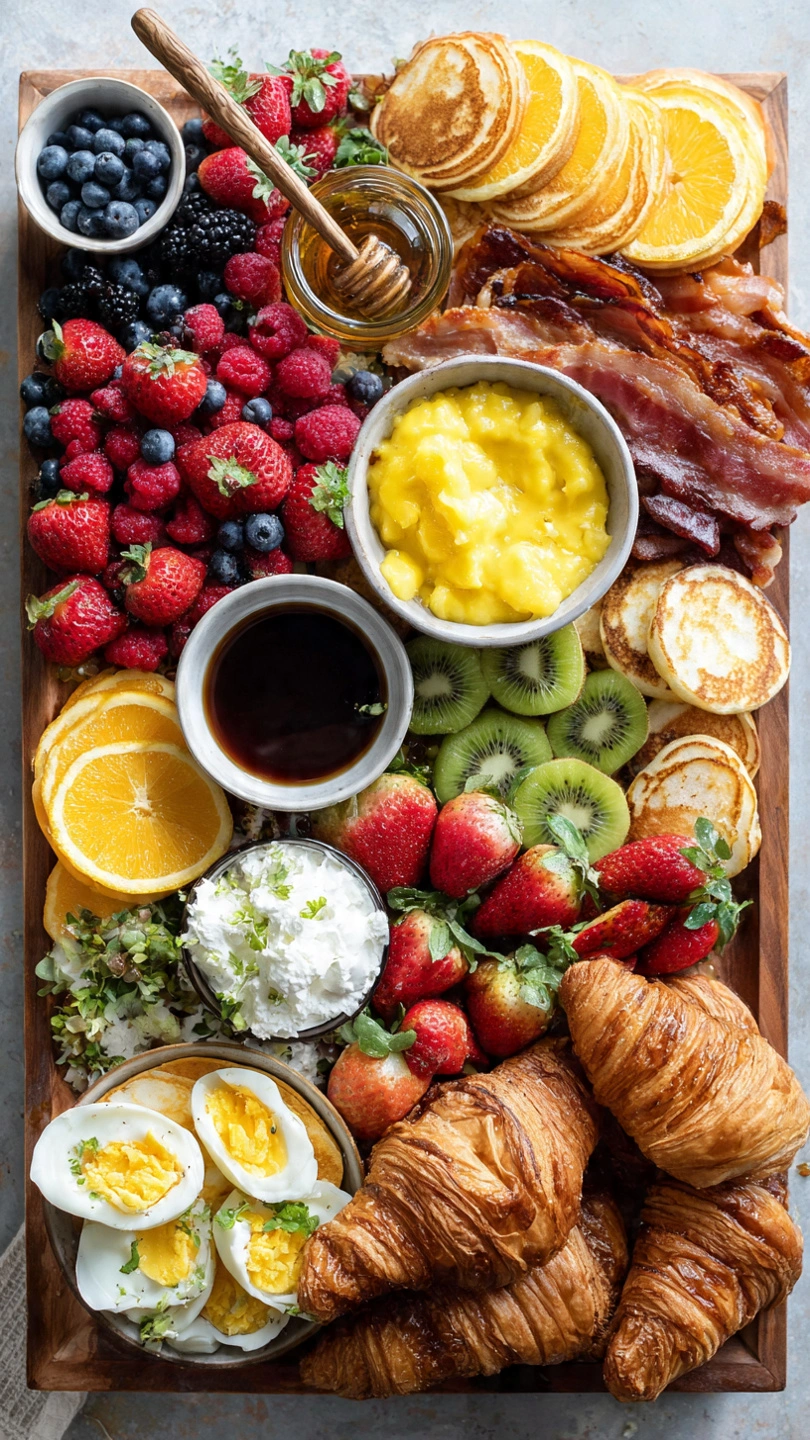
Start your day with a colorful and nutritious Breakfast Charcuterie Board that transforms the first meal of the day into a delightful experience. Unlike traditional charcuterie boards that focus on cured meats and cheeses, a breakfast version celebrates morning favorites in an aesthetically pleasing arrangement that encourages mindful eating and balanced nutrition. This versatile spread is perfect for weekend family brunches, holiday gatherings, or even a special self-care morning ritual that prioritizes Essential nutrients to fuel your day.
Creating a breakfast charcuterie board isn’t just about presentation—it’s about offering a balanced combination of protein, complex carbohydrates, healthy fats, and fiber-rich fruits to provide sustained energy throughout the morning. The beauty of this approach is its flexibility; you can easily adapt it to accommodate various dietary preferences and nutritional goals while still maintaining the visually appealing mosaic of colors and textures.
Let’s explore how to craft a breakfast board that’s as nutritionally balanced as it is beautiful, with options to customize for different health needs and preferences.
Table of Contents
Table of Contents
Ingredients
The key to a successful breakfast charcuterie board is variety, balance, and quality ingredients. Here’s a comprehensive list of nutritious options to consider:
Protein Sources
- Hard-boiled eggs (organic preferred)
- Greek yogurt (plain, low-fat)
- Cottage cheese (low-sodium option)
- Smoked salmon (wild-caught)
- Turkey bacon (nitrate-free)
- Plant-based options: tofu scramble, tempeh strips
- Nut butters (almond, cashew, or natural peanut butter)
Whole Grains
- Whole grain toast points or bagel halves
- Overnight oats in small serving cups
- Whole grain pancakes or waffles (mini-sized)
- Granola (low-sugar varieties)
- Whole grain crackers
- Quinoa breakfast bites
Fruits
- Berries (strawberries, blueberries, raspberries)
- Sliced apples and pears
- Orange or grapefruit segments
- Sliced kiwi
- Banana coins
- Grapes (red and green)
- Stone fruits (when in season)
- Pomegranate arils
Vegetables
- Avocado slices or guacamole
- Cherry tomatoes
- Cucumber slices
- Bell pepper strips
- Steamed asparagus spears
- Roasted sweet potato medallions
Dairy and Alternatives
- Cheese (small portions of lower-sodium options)
- Milk or plant-based milk in small pitchers
- Yogurt dips
Healthy Fats
- Nuts (almonds, walnuts, pistachios)
- Seeds (chia, flax, pumpkin, sunflower)
- Olives
- Avocado
Sweet Treats (in moderation)
- Dark chocolate pieces (70% cocoa or higher)
- Honey or maple syrup (in small dipping bowls)
- Date paste
- Fruit preserves (no added sugar)
Beverages to Accompany
- Fresh-squeezed orange juice
- Green smoothies
- Herbal teas
- Water infused with berries and mint
- Coffee (with milk alternatives available)
Timing
Creating a nutritionally balanced breakfast charcuterie board doesn’t have to be time-consuming. With proper planning, you can assemble an impressive spread efficiently:
Preparation Timeline
The Night Before (15-20 minutes):
- Hard-boil eggs and refrigerate
- Prepare overnight oats in individual servings
- Wash berries and grapes
- Mix granola (store in airtight container)
- Pre-slice sturdy fruits like apples (toss with lemon juice to prevent browning)
- Prepare mini whole grain pancakes or waffles and refrigerate
Morning Assembly (15-20 minutes):
- Toast bread products
- Slice avocados and any remaining fruits
- Arrange all components on your board
- Add any heated elements (like turkey bacon) last
Total Time: 30-40 minutes split between advance prep and morning assembly
Step-by-step instructions
Step 1: Select your board
Choose a large wooden cutting board, marble slab, or serving tray with enough space to arrange all your breakfast items with some breathing room. For easier cleanup, you may want to line it with parchment paper.
Step 2: Start with anchor items
Begin by placing small bowls for items like yogurt, nut butters, and honey strategically across the board. These create natural dividers for other ingredients.
Step 3: Add protein sources
Arrange your protein options like sliced hard-boiled eggs, smoked salmon, and Greek yogurt around the board. If using yogurt in a bowl, consider adding a small spoon for easy serving.
Step 4: Incorporate whole grains
Fan out whole grain toast points, mini pancakes, or bagel halves in several areas of the board. These larger items help create structure in your arrangement.
Step 5: Create colorful fruit sections
Group fruits by color to create visual interest—berries in one section, citrus in another, sliced apples and pears in a fan pattern. Remember that color variety often indicates nutritional diversity.
Step 6: Add vegetable elements
Incorporate vegetables like avocado slices, cucumber rounds, and cherry tomatoes to add freshness and additional nutrients to the board.
Step 7: Fill gaps with nuts and seeds
Use smaller items like nuts, seeds, and granola clusters to fill in any empty spaces on the board, creating a sense of abundance.
Step 8: Include small sweet touches
Add small amounts of dark chocolate pieces, honey drizzlers, or fruit preserves as accent points. Remember to keep these portions modest to maintain nutritional balance.
Step 9: Add fresh herbs for garnish
Sprinkle fresh mint leaves, basil, or edible flowers throughout for color and aroma.
Step 10: Set out accompanying beverages
Complete your spread with pitchers of infused water, fresh juices, herbal teas, or coffee options.
Nutritional Information
The nutritional profile of a breakfast charcuterie board will vary based on your specific selections and portions, but here’s an approximate breakdown of what a balanced breakfast board might offer per serving (assuming 4 servings per board):
- Calories: 350-450 calories per serving
- Protein: 15-20g (from eggs, Greek yogurt, smoked salmon, etc.)
- Carbohydrates: 40-50g (primarily from whole grains and fruits)
- Fiber: 6-8g (from fruits, vegetables, whole grains)
- Healthy Fats: 15-20g (from nuts, seeds, avocado, olive oil)
- Sugar: 15-20g (primarily from fresh fruits)
- Sodium: 300-500mg (varies greatly based on cheese and meat selections)
This breakfast approach provides a significant nutritional advantage over traditional breakfast options like sugary cereals or pastries by offering:
- Sustained energy through the combination of complex carbohydrates and protein
- Essential micronutrients including vitamins A, C, E, K, B-complex, and minerals like iron, calcium, and potassium
- Antioxidants from colorful fruits and vegetables
- Heart-healthy fats from nuts, seeds, and avocado
- Balanced blood sugar due to the combination of protein, fiber, and healthy fats
Healthier Alternatives
One of the greatest advantages of a breakfast charcuterie board is its adaptability to various dietary needs. Here are some modifications to consider:
Lower-Calorie Version
- Use more vegetables and fewer high-calorie items
- Opt for lighter proteins like egg whites and lean turkey
- Include more berries (lower in natural sugars than other fruits)
- Use Greek yogurt as a dip instead of cream cheese
- Serve nut butters in very small portions
- Replace traditional granola with air-popped popcorn
Lower-Carb Options
- Substitute cucumber slices or bell pepper strips for crackers
- Use lettuce cups instead of bread for toppings
- Focus on berries rather than higher-sugar fruits
- Include more eggs, nuts, and cheese for satiating protein and fat
- Make cloud bread or almond flour pancakes as grain-free alternatives
Plant-Based Alternatives
- Replace eggs with tofu scramble or chickpea “egg” salad
- Use plant-based yogurts (coconut, almond, or cashew-based)
- Include hummus as a protein-rich spread
- Offer tempeh bacon or marinated tofu strips
- Incorporate a wider variety of nuts and seeds for protein
- Use nutritional yeast sprinkles for a cheese-like flavor
Gluten-Free Modifications
- Use gluten-free bread and crackers
- Incorporate rice cakes or corn tortilla chips
- Make sure granola is certified gluten-free
- Use gluten-free oats for overnight oats portions
- Be cautious with processed meats which may contain gluten fillers
Diabetes-Friendly Adjustments
- Emphasize low-glycemic fruits like berries, apples, and pears
- Include more protein and healthy fat components
- Use sprouted grain bread for better blood sugar response
- Avoid or significantly limit added sweeteners
- Include cinnamon as a topping for its blood sugar balancing properties
Serving Suggestions
A breakfast charcuterie board can be presented in various ways depending on your occasion and audience:
Family-Style Gatherings
- Place the board in the center of the table for easy access
- Provide individual small plates and napkins for each person
- Include small tongs and serving spoons for shared items
- Consider creating a designated kids’ corner with child-friendly options
- Label any items containing common allergens
Special Occasions
- Create a themed board for holidays (heart-shaped fruits for Valentine’s Day, red and green items for Christmas)
- Use edible flowers and herb garnishes for an elegant touch
- Incorporate seasonal specialties like fresh figs in late summer or cranberries in winter
- Arrange items in color gradients for an Instagram-worthy presentation
- Include small cards identifying specialty ingredients or locally sourced items
Individual Portions
- Create mini boards on small cutting boards or plates for each person
- Use muffin tins to create individual breakfast boards for children
- Assemble ingredients in mason jars for portable breakfast-to-go options
- Consider bento-style containers with compartments for a neat presentation
Complementary Beverage Pairings
- Freshly brewed coffee with milk alternatives and natural sweeteners
- Herbal tea selection with honey and lemon
- Green smoothie shots for an extra nutritional boost
- Infused waters (cucumber-mint, berry-basil) for hydration
- Kombucha for probiotic benefits
- Fresh-pressed vegetable juices for additional nutrients
Common Mistakes
Avoid these pitfalls when creating your breakfast charcuterie board:
Nutritional Imbalance
- Too many sweet options: This can lead to blood sugar spikes and energy crashes. Balance sweet items with protein, healthy fats, and fiber.
- Insufficient protein: Without adequate protein, your breakfast won’t provide lasting satiety. Ensure each person can access 15-20g of protein.
- Hidden sodium: Processed meats and cheeses can contain excessive sodium. Opt for lower-sodium varieties and balance with fresh produce.
Presentation Pitfalls
- Overcrowding: Stuffing too many items onto your board makes it difficult to see and access everything. Leave some breathing room between components.
- Poor temperature management: Items like yogurt, smoked salmon, and cheese shouldn’t sit at room temperature for extended periods. Use ice packs underneath or refresh items as needed.
- Inadequate utensils: Forgetting to provide serving utensils or individual plates can create a messy eating experience.
Preparation Errors
- Preparing too far in advance: Fresh fruits can brown and bread can dry out if prepared too early. Time your preparation appropriately.
- Insufficient variety: A truly nutritious board should represent all food groups and offer a range of textures and flavors.
- Not accounting for dietary restrictions: Without options for various dietary needs, some guests may feel excluded.
Portion Control Challenges
- Oversized portions: The visual abundance of a charcuterie board can lead to overeating. Use smaller serving pieces and be mindful of total quantities.
- Imbalanced ratios: Aim for a board that’s roughly 50% fruits and vegetables, 25% whole grains, and 25% protein sources and healthy fats.
Storage Tips
While breakfast charcuterie boards are best enjoyed fresh, you may have leftovers or need to prepare components in advance:
Advance Preparation
- Wash and dry berries: Store in paper towel-lined containers up to 2 days ahead.
- Pre-cook proteins: Hard-boiled eggs can be prepared 3-4 days in advance and kept unpeeled in the refrigerator.
- Chop stable vegetables: Items like bell peppers and carrots can be cut 1-2 days ahead and stored in water-filled containers.
- Prepare overnight oats: These actually improve with 8-12 hours of refrigeration.
- Mix dry ingredients: Combine granola or trail mix components and store in airtight containers.
Storing Leftover Components
- Separate and contain: Store different components in separate airtight containers rather than leaving the assembled board intact.
- Refresh produce: Revive wilted fruits and vegetables with an ice water bath before reusing.
- Prevent browning: Spritz cut apples, bananas, and avocados with lemon juice before storing.
- Refresh bread products: Lightly toast stale bread items before serving again.
- Use temperature barriers: Store dairy products on the coldest shelf of your refrigerator, away from the door.
Food Safety Considerations
- Two-hour rule: Don’t leave perishable items (dairy, eggs, meat) at room temperature for more than two hours (one hour in hot weather).
- Cross-contamination: Use separate serving utensils for different components, especially when accommodating food allergies.
- Temperature control: Consider placing your board on a bed of ice or using a chilled serving platter in warm conditions.
- Visibility: Label items with preparation dates when storing leftovers.
Conclusion
A breakfast charcuterie board represents a thoughtful approach to morning nutrition that balances health objectives with the pleasure of eating. By carefully selecting a colorful array of proteins, whole grains, fruits, and healthy fats, you create not just a meal but a nutritional experience that engages all the senses. The visual appeal naturally encourages more mindful eating, while the variety ensures you’re consuming a spectrum of nutrients essential for wellbeing.
The flexibility of this concept makes it particularly valuable in today’s busy world. You can scale it for a quiet self-care breakfast, a family weekend brunch, or an impressive holiday spread. Its adaptability to various dietary needs means everyone can participate in the shared experience while honoring their personal health requirements.
Beyond nutrition, a breakfast charcuterie board creates an opportunity for connection. The communal nature of selecting from a shared platter slows down the meal experience and encourages conversation. In a world where breakfast is often rushed or skipped entirely, this approach reclaims the first meal of the day as something worthy of time and attention.
By incorporating these nutritionally-focused principles into your breakfast routine—whether daily or as a special occasion treat—you’re not just feeding bodies but nurturing a healthy relationship with food that celebrates both nourishment and enjoyment in equal measure.
FAQs
.How many people does a standard breakfast charcuterie board serve?
A typical breakfast board arranged on a large serving platter (approximately 16-18 inches) can comfortably serve 4-6 people. For larger gatherings, consider creating multiple boards with different themes or scaling up to a buffet-style arrangement with larger quantities of each item.
.Can I prepare a breakfast board the night before?
While complete advance assembly isn’t recommended due to moisture issues and oxidation of fresh fruits, you can prep many components ahead of time. Hard-boil eggs, mix granola, wash berries, and prepare overnight oats the evening before. In the morning, simply slice any fresh fruits, toast bread products, and arrange everything on your board—this approach cuts morning prep time to about 15 minutes.
.How do I ensure my breakfast board is nutritionally balanced?
Aim for a board that includes all macronutrients: proteins (eggs, yogurt, nuts), complex carbohydrates (whole grain breads, oats), healthy fats (avocado, nut butters), and plenty of fiber (fruits, vegetables). Visually, your board should be approximately 50% fruits and vegetables, 25% whole grains, and 25% protein sources and healthy fats. This ensures a balanced nutritional profile that supports sustained energy and satiety.
.What are some budget-friendly options for breakfast charcuterie boards?
Creating an impressive board doesn’t require expensive specialty items. Focus on seasonal fruits (which are more affordable at peak season), incorporate eggs as an economical protein source, and use homemade elements like simple yogurt parfaits instead of pre-packaged options. Buying nuts and grains from bulk bins allows you to purchase just what you need. For special touches, a small amount of honey or homemade fruit compote can go a long way toward adding luxury without significant expense.
.How can I make my breakfast board more environmentally sustainable?
Prioritize locally sourced and seasonal ingredients to reduce transportation emissions. Choose organic options when possible, particularly for items on the Environmental Working Group’s “Dirty Dozen” list. Minimize food waste by planning appropriate quantities and repurposing leftovers (fruit can become smoothies, bread can become French toast). Use reusable or compostable serving materials rather than single-use plastics, and consider the environmental impact of animal products by choosing smaller portions of higher quality, sustainably raised options.