
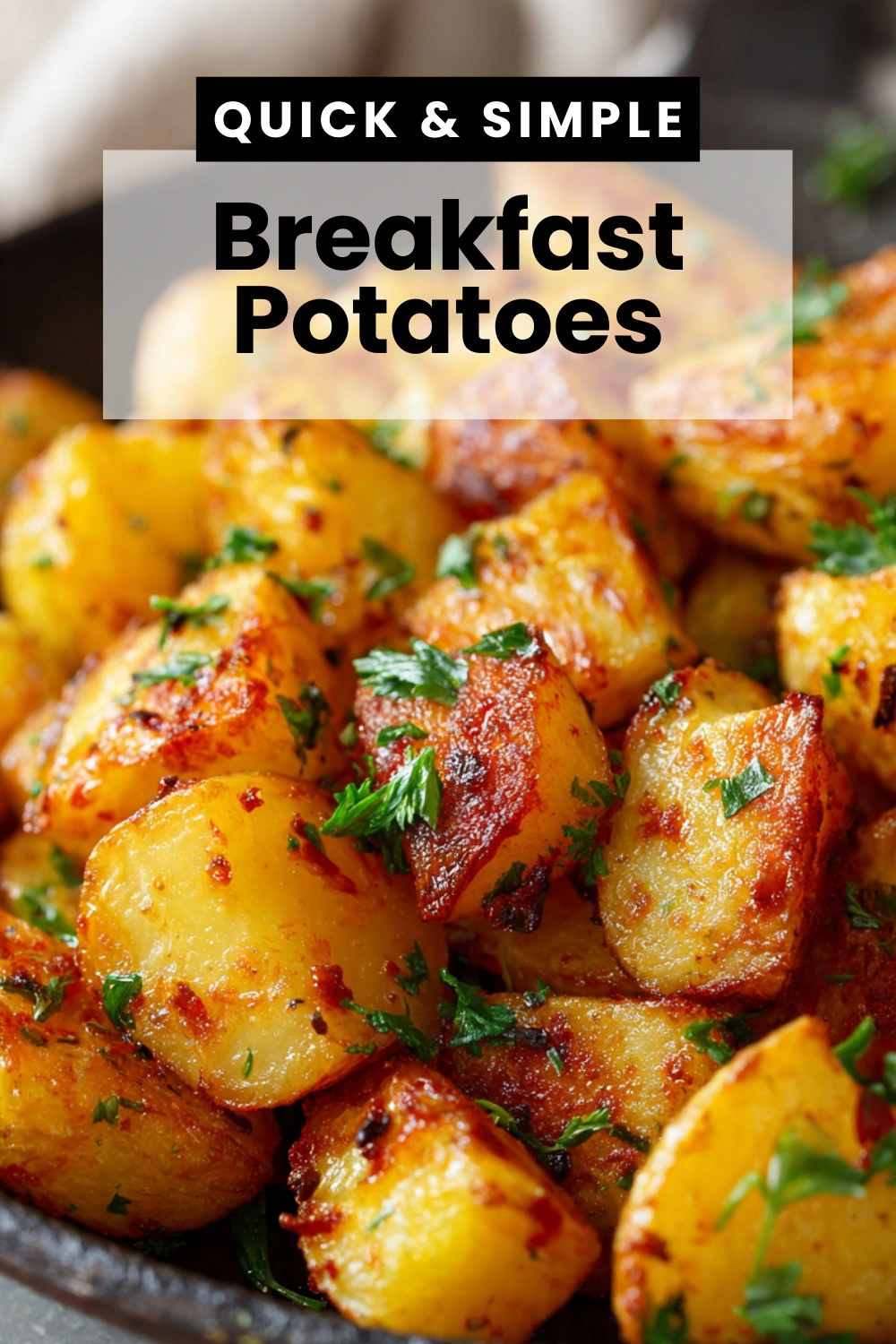
There’s something undeniably comforting about a plate of crispy, golden Breakfast Potatoes in the morning. These humble spuds have been gracing family breakfast tables for generations, bringing warmth and satisfaction to sleepy faces around the country. Whether you’re serving them alongside eggs and bacon on a lazy Sunday or preparing them as part of a hearty breakfast before a big day, breakfast potatoes are the versatile side dish that completes any morning meal.
Ingredients
The beauty of breakfast potatoes lies in their simplicity. With just a few basic ingredients, you can create a dish that feels both indulgent and homey. Here’s what you’ll need to feed a family of four:
- 2 pounds of russet potatoes (about 4 medium potatoes)
- 1 medium onion, diced
- 1 bell pepper (red or green), diced
- 3 tablespoons of olive oil or butter
- 1 teaspoon garlic powder
- 1 teaspoon paprika
- 1/2 teaspoon dried thyme
- 1/2 teaspoon dried rosemary
- Salt and pepper to taste
- Fresh parsley for garnish (optional)
What makes these breakfast potatoes special is that you can easily adjust the ingredients based on what you have in your pantry. In our family, we sometimes add a pinch of cayenne pepper when the adults want an extra kick, or mix in some sweet potatoes for added nutrition and color. The recipe is forgiving and welcomes your personal touch.
Timing
Understanding the timing for making perfect breakfast potatoes helps ensure they become a stress-free part of your morning routine:
- Preparation time: 15 minutes
- Cooking time: 25-30 minutes
- Total time: 40-45 minutes
One of my favorite time-saving tips passed down from my grandmother is to parboil the potatoes the night before. This not only cuts down on morning cooking time but actually helps develop that perfect crispy exterior we all crave. If your mornings are particularly hectic, this step can be a game-changer for still enjoying homemade breakfast potatoes without the rush.
Step-by-step Instructions
Follow these instructions carefully to achieve breakfast potatoes that your family will request again and again:
- Prepare the potatoes: Wash and scrub the potatoes thoroughly. You can peel them if you prefer, but I like to keep the skins on for extra texture and nutrition – just as my grandmother taught me. Cut them into 1/2-inch cubes. Try to keep the size consistent for even cooking.
- Parboil for perfect texture: Place the cubed potatoes in a large pot and cover with cold water. Add 1 teaspoon of salt to the water. Bring to a boil and cook for about 5 minutes until the potatoes are just fork-tender but not falling apart. Drain thoroughly and let them steam dry for a few minutes. This removes excess moisture and is the secret to crispiness.
- Prepare your skillet: Heat olive oil or butter in a large cast-iron skillet over medium-high heat. A well-seasoned cast-iron skillet was my grandmother’s non-negotiable tool for perfect breakfast potatoes, but any heavy-bottomed pan will work.
- Season with love: In a large bowl, gently toss the parboiled potatoes with garlic powder, paprika, thyme, rosemary, salt, and pepper until evenly coated. Handle them gently to avoid breaking them up too much.
- Achieve the perfect crisp: Add the seasoned potatoes to the hot skillet in a single layer. The key is not to overcrowd the pan – work in batches if necessary. Let them cook undisturbed for about 5-7 minutes until golden and crispy on one side before flipping.
- Add aromatics: Once you’ve flipped the potatoes, add the diced onions and bell peppers to the skillet. Continue cooking for another 10-15 minutes, stirring occasionally, until the potatoes are crispy all over and the vegetables are softened and slightly caramelized.
- Final touches: Taste and adjust seasoning if needed. Transfer to a serving dish and sprinkle with fresh chopped parsley if desired.
My family’s little secret is to add a small pat of butter right at the end and cover the skillet for just one minute before serving. The butter melts over the hot potatoes, adding a rich finish that makes these breakfast potatoes absolutely irresistible.
Nutritional Information
Breakfast potatoes can be part of a balanced meal when enjoyed as part of a varied diet. Here’s the approximate nutritional breakdown per serving (about 1 cup):
- Calories: 220
- Carbohydrates: 32g
- Protein: 4g
- Fat: 9g
- Fiber: 3g
- Sodium: 300mg (varies based on salt added)
Potatoes often get a bad reputation in nutrition circles, but they’re actually packed with essential nutrients. They’re a good source of vitamin C, potassium, and vitamin B6. The skin contains additional fiber and nutrients, which is why our family tradition has always been to keep them on. By controlling the amount of oil and salt used in preparation, breakfast potatoes can be a wholesome addition to your morning meal.
Healthier Alternatives
Our family has adapted this recipe over the years to accommodate changing dietary needs and health consciousness. Here are some healthier variations that still honor the traditional flavor profile:
- Sweet potato swap: Replace half or all of the russet potatoes with sweet potatoes for added vitamin A and a lower glycemic index.
- Air fryer method: Use an air fryer instead of a skillet to reduce the oil by up to 75% while still achieving a crispy texture.
- Herb boost: Double the herbs and cut the salt in half for a more flavorful but lower-sodium option.
- Oil alternatives: Try using avocado oil instead of butter for heart-healthier fats that still provide excellent flavor.
- Vegetable increase: Add extra vegetables like mushrooms, zucchini, or spinach to boost the nutrient density while keeping the potato portion more moderate.
When my daughter was diagnosed with pre-diabetes, we started making a version with cauliflower florets mixed in to reduce the carbohydrate content while maintaining the satisfying bulk of the dish. To our surprise, this became a new family favorite that we continue to enjoy regularly.
Serving Suggestions
Breakfast potatoes are incredibly versatile and can be paired with numerous other breakfast foods. Here are some traditional and creative serving ideas from our family table:
- Classic pairings: Serve alongside fried or scrambled eggs and bacon or sausage for a traditional American breakfast.
- Breakfast bowl: Create a nourishing breakfast bowl with breakfast potatoes as the base, topped with a poached egg, avocado slices, and a sprinkle of cheese.
- Breakfast burrito: Use breakfast potatoes as a filling for breakfast burritos along with scrambled eggs, beans, cheese, and salsa.
- Vegetarian option: Pair with roasted tomatoes and a dollop of Greek yogurt for a satisfying meat-free breakfast.
- Breakfast for dinner: We often serve breakfast potatoes for our Sunday night “breakfast for dinner” tradition, alongside pancakes and fresh fruit for a comforting end to the weekend.
My children’s favorite way to enjoy breakfast potatoes is with a sprinkle of cheese melted over the top and a side of homemade applesauce – a combination that might sound unusual but has become our special weekend tradition.
Common Mistakes
Even with such a straightforward recipe, there are some pitfalls that can prevent your breakfast potatoes from reaching their full potential. Here are the most common mistakes and how to avoid them:
- Skipping the parboil: This crucial step ensures the potatoes cook evenly and develop the right texture. Without parboiling, you’ll often end up with potatoes that are burnt on the outside but undercooked inside.
- Overcrowding the pan: When potatoes are too close together in the pan, they steam rather than crisp. Work in batches if necessary to give each piece enough space.
- Stirring too frequently: Allow the potatoes to develop a crust before flipping or stirring. Patience is key to crispiness.
- Inconsistent cutting: Unevenly sized potato pieces will cook at different rates. Take the extra minute to cut them as uniformly as possible.
- Starting with wet potatoes: After parboiling, make sure to thoroughly drain and let the potatoes dry a bit before adding them to the hot oil. Excess moisture is the enemy of crispiness.
I learned these lessons the hard way during my early attempts at recreating my grandmother’s recipe. She would always say, “The difference between good and great breakfast potatoes is in the details” – and she was absolutely right.
Storage Tips
While breakfast potatoes are best enjoyed fresh from the skillet, busy family life sometimes requires make-ahead solutions. Here’s how to store and reheat your breakfast potatoes while preserving their quality:
- Refrigerator storage: Allow leftover breakfast potatoes to cool completely, then store in an airtight container in the refrigerator for up to 3-4 days.
- Freezer option: For longer storage, spread the cooled potatoes on a baking sheet and freeze until solid, then transfer to a freezer-safe container. They’ll keep for up to 3 months.
- Reheating for best results: To maintain crispiness, reheat in a hot skillet with a touch of oil, or use an air fryer at 350°F for 5-7 minutes. Avoid the microwave if possible, as it will make them soggy.
- Make ahead strategy: You can parboil the potatoes and cut the vegetables the night before, storing them separately in the refrigerator. This prep work makes morning cooking much faster.
My grandmother’s wisdom for leftovers was to transform them into a new dish – she would often add leftover breakfast potatoes to a frittata or hash the next day, creating an entirely new meal that no one recognized as leftovers.
Conclusion
Breakfast potatoes are more than just a side dish – they’re a canvas for family traditions and a vehicle for passing down cooking knowledge through generations. From my grandmother’s skilled hands to my kitchen and now to yours, these crispy, golden potatoes carry with them the warmth of family breakfasts and the joy of simple food prepared with care.
What makes this recipe special isn’t any secret ingredient or complicated technique – it’s the attention to detail and the love that goes into making something delicious for the people who gather around your table. As you prepare these breakfast potatoes, you’re not just following a recipe; you’re participating in a timeless ritual of nourishment and care.
I hope these breakfast potatoes become a beloved tradition in your home, just as they have been in mine. There’s no greater satisfaction than watching loved ones enjoy something you’ve prepared, especially when it’s something as comforting and straightforward as perfectly crispy breakfast potatoes to start the day right.
FAQs
What type of potatoes work best for breakfast potatoes?
Russet potatoes are ideal for breakfast potatoes because their high starch content helps them develop a crispy exterior while maintaining a fluffy interior. Yukon Gold potatoes are a good alternative if you prefer a slightly buttery flavor and creamier texture. Red potatoes or new potatoes can also work but will give you a different texture – less fluffy and more firm.
Can I make breakfast potatoes without parboiling them first?
While you can skip the parboiling step, it’s not recommended. Parboiling ensures that the potatoes cook evenly throughout and helps develop that perfect contrast between crispy exterior and tender interior. Without parboiling, you’ll need to cook the potatoes longer in the skillet, which often results in potatoes that are either burnt on the outside or undercooked in the center.
How can I add extra flavor to my breakfast potatoes?
There are countless ways to customize the flavor profile! Try adding smoked paprika for a smoky note, cayenne pepper for heat, or Italian seasoning for an herb-forward version. You can also incorporate garlic cloves instead of powder, bacon bits for a savory touch, or cheese in the last few minutes of cooking. Some families add a splash of Worcestershire sauce or a drizzle of maple syrup for unique flavor dimensions.
Are breakfast potatoes gluten-free?
Yes! Traditional breakfast potatoes are naturally gluten-free, making them an excellent choice for those with celiac disease or gluten sensitivities. Just be careful with any pre-mixed seasonings you might add, as some may contain gluten ingredients. Always check labels if you’re cooking for someone with strict dietary needs.
What’s the difference between breakfast potatoes and hash browns?
While both are beloved potato breakfast sides, they differ in preparation and texture. Breakfast potatoes are typically cubed or chunked potatoes that are seasoned and pan-fried, often with other vegetables mixed in. Hash browns, on the other hand, are grated potatoes that are pressed together and fried until crispy, creating a different texture altogether. Both are delicious, but breakfast potatoes tend to be more versatile for mixing with other ingredients.